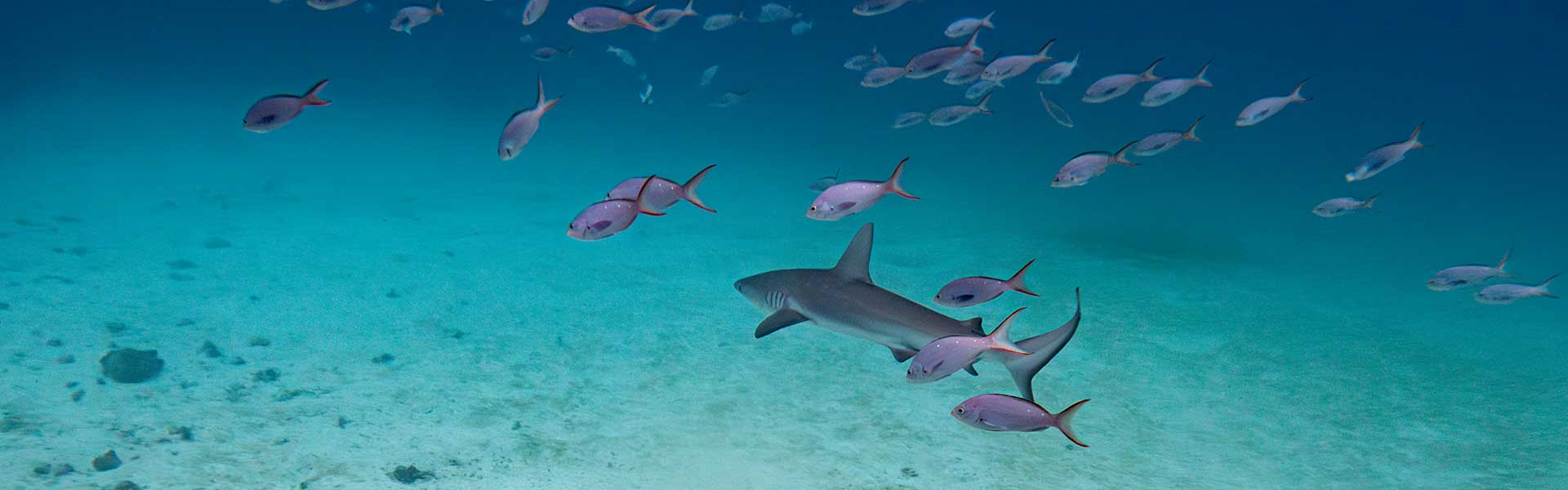
Every year, the waters around Galápagos become the setting...

In the Routes of the Spectacled Bear
Reading the Andean Corridor
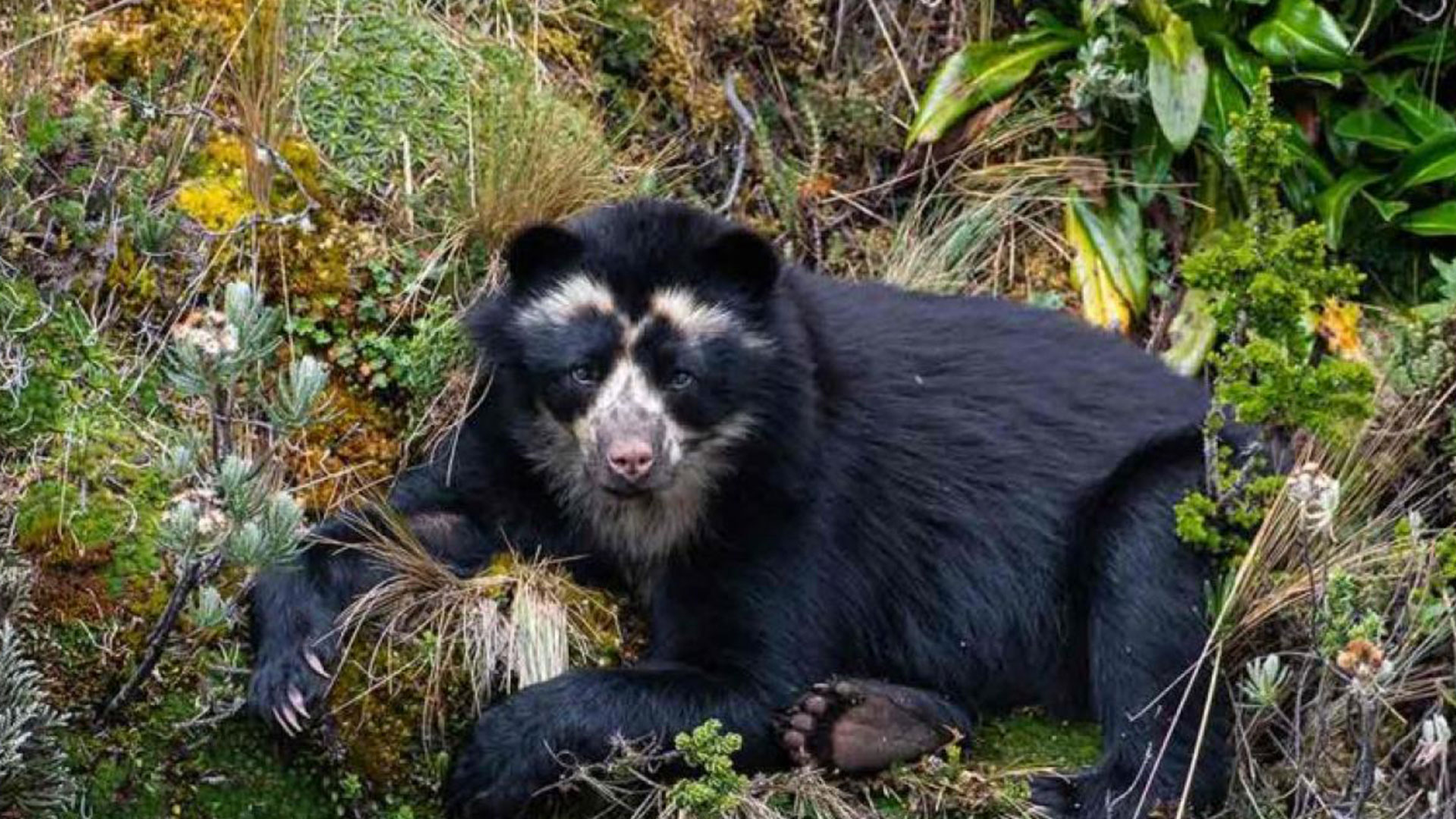
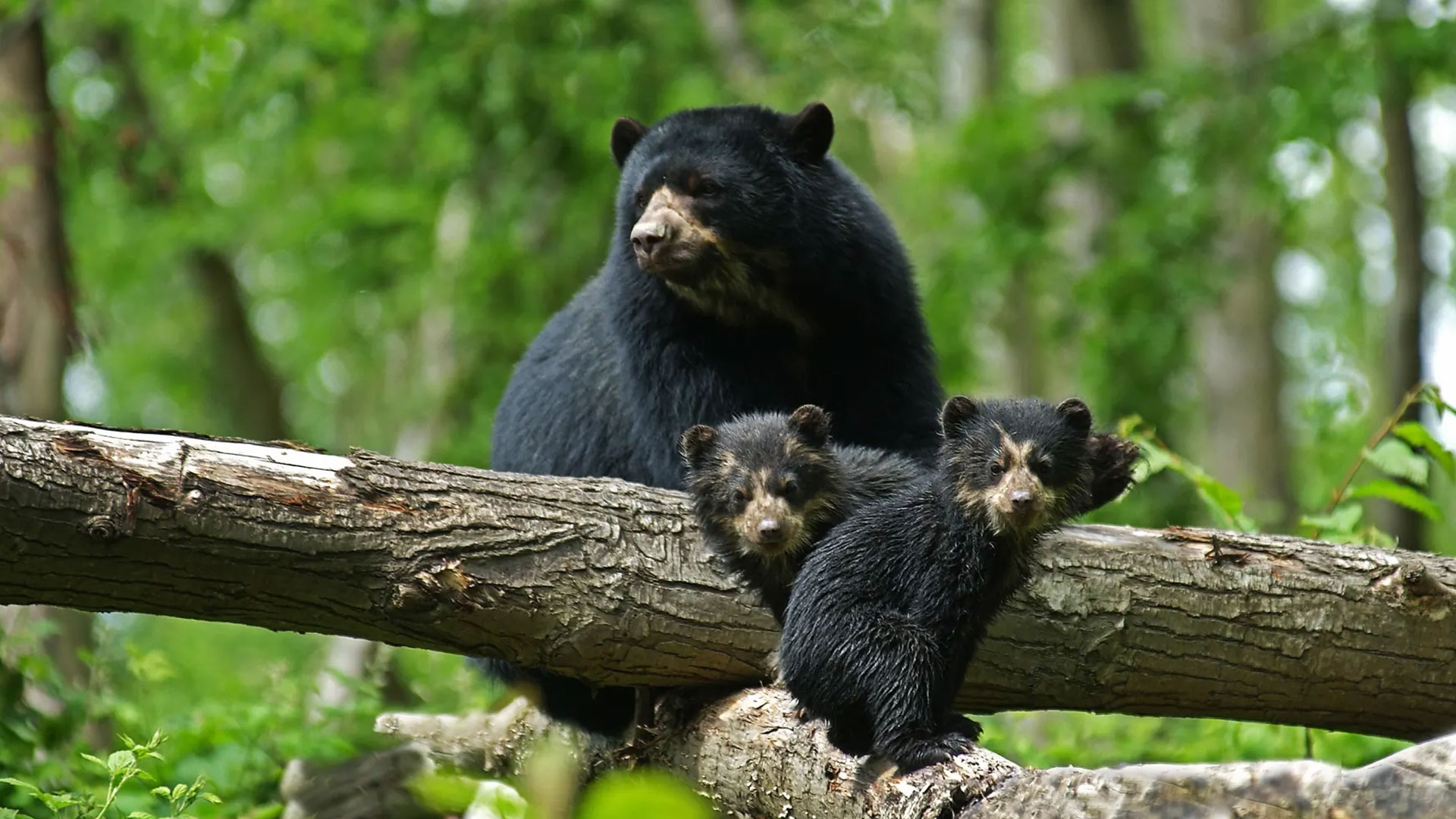
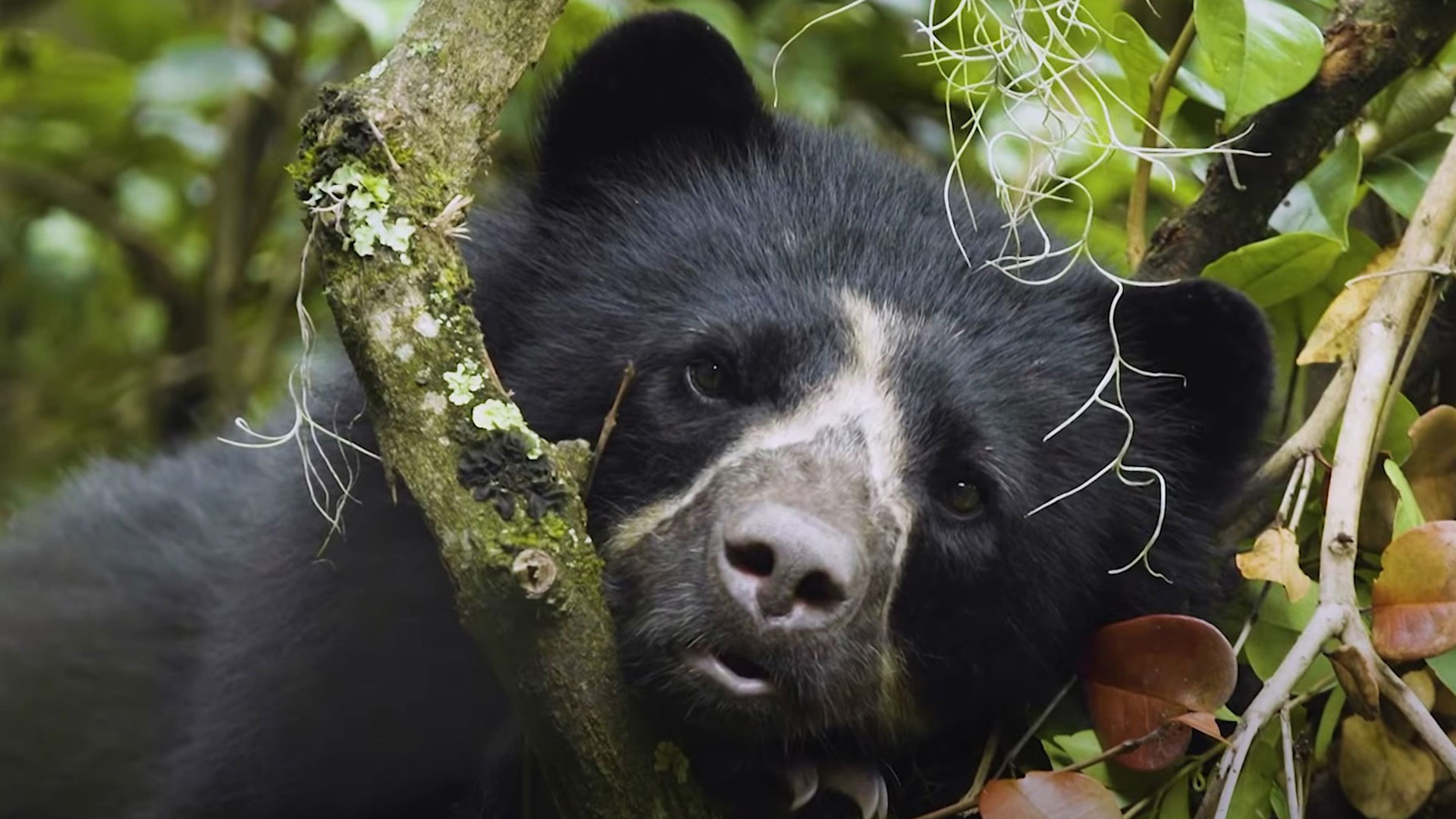
The spectacled bear, known locally as oso andino or oso de anteojos, is South America’s only native bear species. In Ecuador, its presence is closely tied to the eastern Andean slopes, where cloud forest transitions into high-altitude páramo.
One of the most strategic zones to understand this habitat lies around Papallacta. Located along the corridor connecting Cayambe-Coca National Park to Antisana Ecological Reserve, this region forms part of a critical ecological bridge. Bears move along these altitudinal gradients following seasonal food sources such as wild avocados, bromeliads, and highland shrubs.
Unlike North American bear habitats defined by large open territories, Andean bears rely on vertical movement. They can range from 1,200 to over 4,000 meters above sea level. Their survival depends less on vast plains and more on intact forest connectivity.
Wild sightings are rare but possible in protected zones where human presence remains controlled. Tracks, claw marks on trees, and feeding signs often tell the first story before the animal is seen.
Conservation strategies today focus on maintaining continuous habitat corridors between reserves. Tourism that respects buffer zones and supports protected areas reinforces these conservation networks.
Understanding the bear’s routes reveals something larger. Ecuador’s mountains are not isolated ecosystems; they are living passages where wildlife still moves freely when given space.
RECENT POSTS
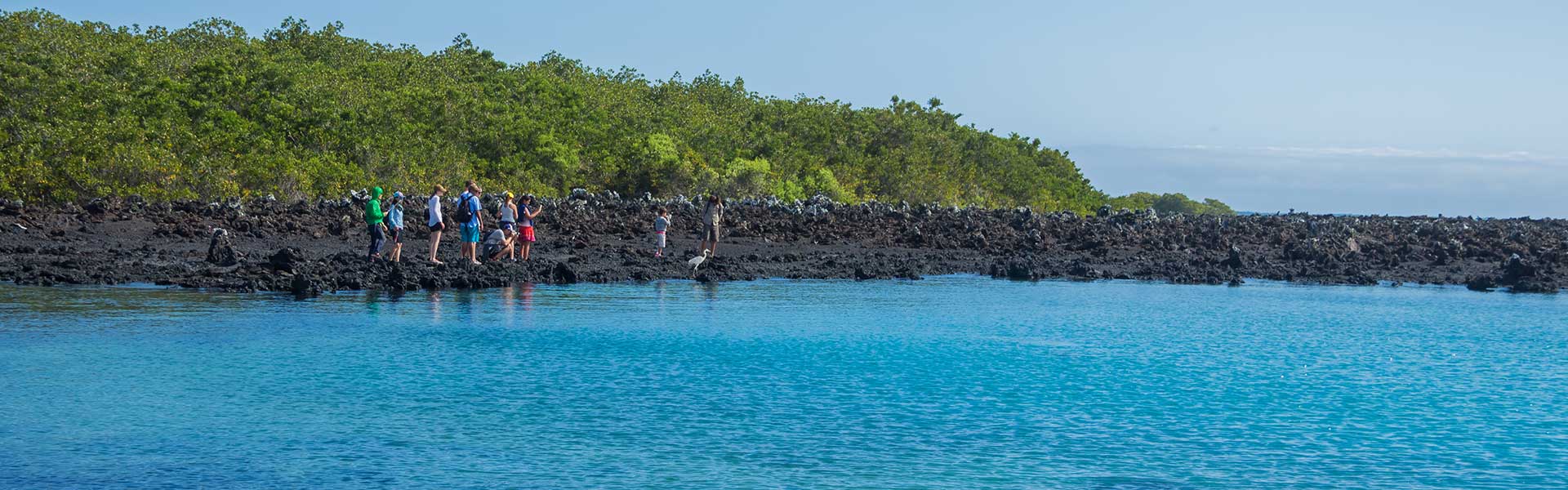
Between Waves and Islands
•
15/10/2026
On Isabela, the ocean is part of everyday life. Along the coast of Puerto Villamil...
With curiosity, we listen and are inspired to design a match between the right people, places and experiences creating the optimal circumstances to transform travelers into heroes through sustainable travel and magical unforgettable memories.
Our Address
- C.C Home Design Cumbayá, Avenida Oswaldo Guayasamin
- (+593) 2 605 1505
- info@artexperiences.travel
- Mon-Fri: 09:00 to 18:00
Quick Links
Menú
Copyright © 2021 ArtExperiences
TRÁMITE LUAE: 2024RENWEBLUAE24303/ Registro de Turismo N° 1791288882001.001.9008346