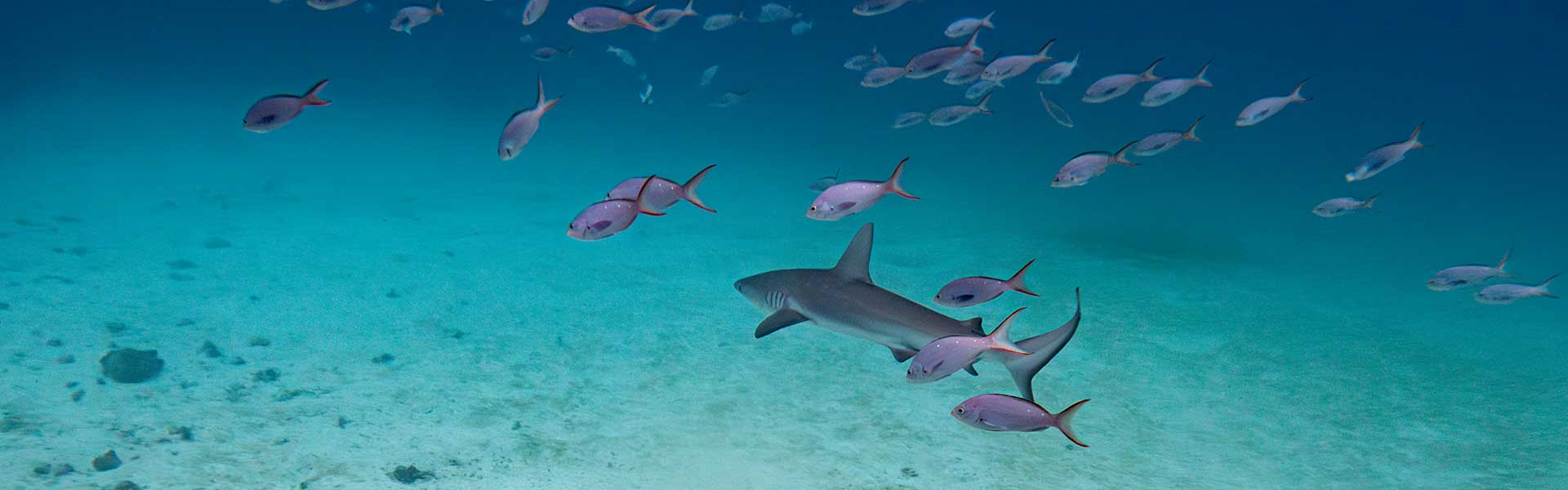
Every year, the waters around Galápagos become the setting...

Whale Season | The Pacific as a Living Corridor
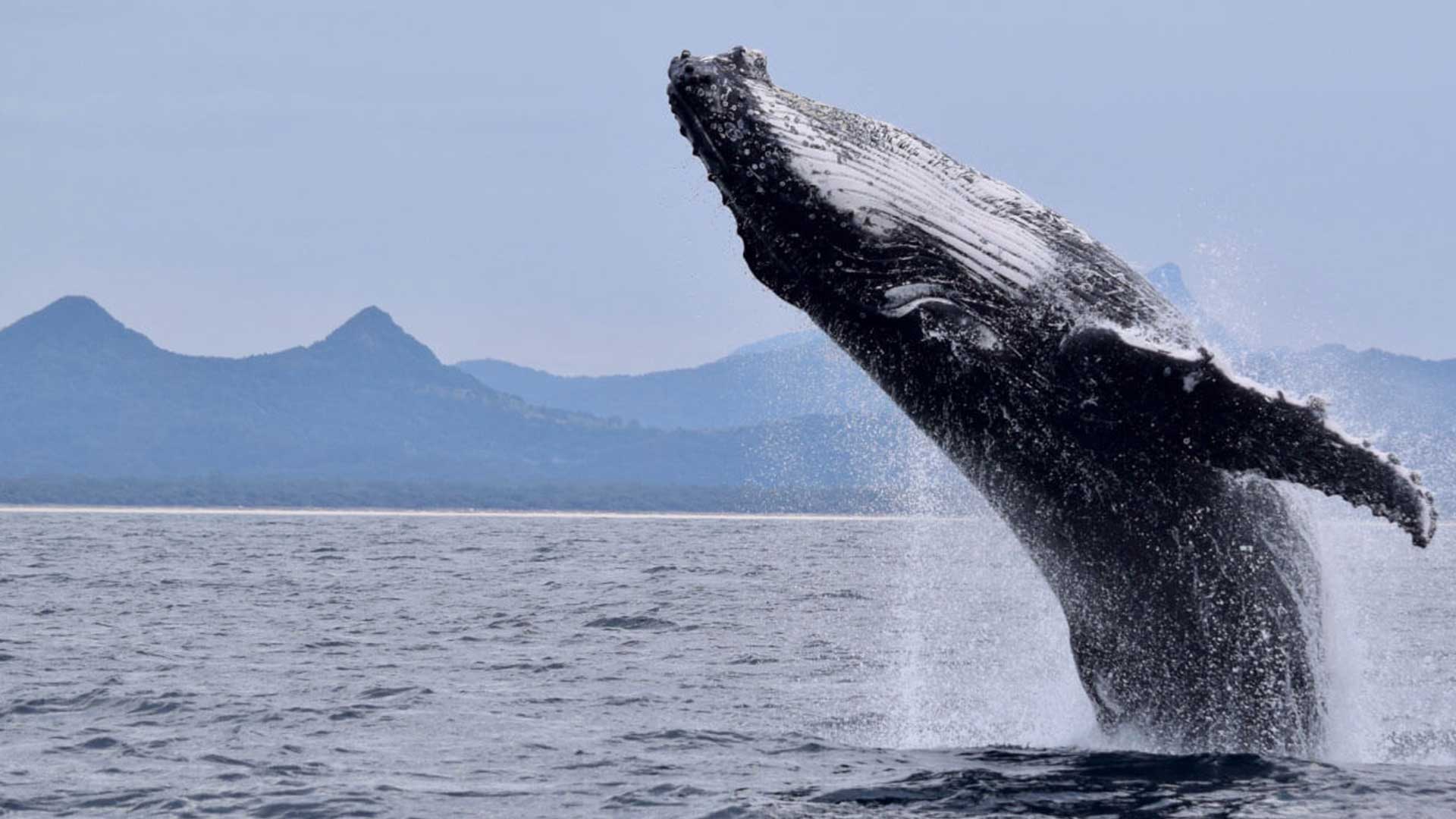
Between June and September, Ecuador’s Pacific waters become part of one of the largest migratory movements on Earth. Humpback whales travel thousands of kilometers from Antarctic feeding grounds toward the warmer tropical waters of the Ecuadorian coast, guided by temperature gradients, biological instinct, and migratory routes refined over generations.
For many of these whales, Ecuador’s coastline functions as a breeding and calving corridor. Mothers remain close to the surface with newborn calves during their first weeks of life, conserving energy while the young develop the strength required for the return journey south.
Breaching, tail slapping, and vocalization are not random spectacles, but complex behavioral expressions linked to communication, mating dynamics, orientation, and social interaction.
This seasonal migration reveals the ecological connectivity between Antarctica, the Humboldt Current, coastal Ecuador, and the broader Pacific system. Nutrient circulation, ocean temperatures, and marine productivity shape not only whale behavior, but entire food webs across hemispheres.
Along the Ecuadorian coast, local communities have gradually adapted to this annual arrival through regulated observation practices, conservation initiatives, and environmental education programs that connect economic opportunity with ecological responsibility.
Whale season has become not only a tourism event, but a shared environmental rhythm that reinforces the importance of marine stewardship.
Understanding these behavioral patterns is essential for responsible tourism. Respectful distances, controlled navigation, reduced noise pollution, and ethical observation practices help ensure that human presence does not interfere with communication, nursing, rest, or migration cycles. The goal is not simply to witness wildlife, but to learn how to coexist with other intelligent and migratory beings that also inhabit this planet.
For travelers, encountering humpback whales in Ecuador offers more than observation alone. It becomes an invitation to rethink tourism itself, not as consumption of nature, but as participation in a living ecosystem that requires attention, humility, and care.
RECENT POSTS
Between Waves and Islands
•
15/10/2026
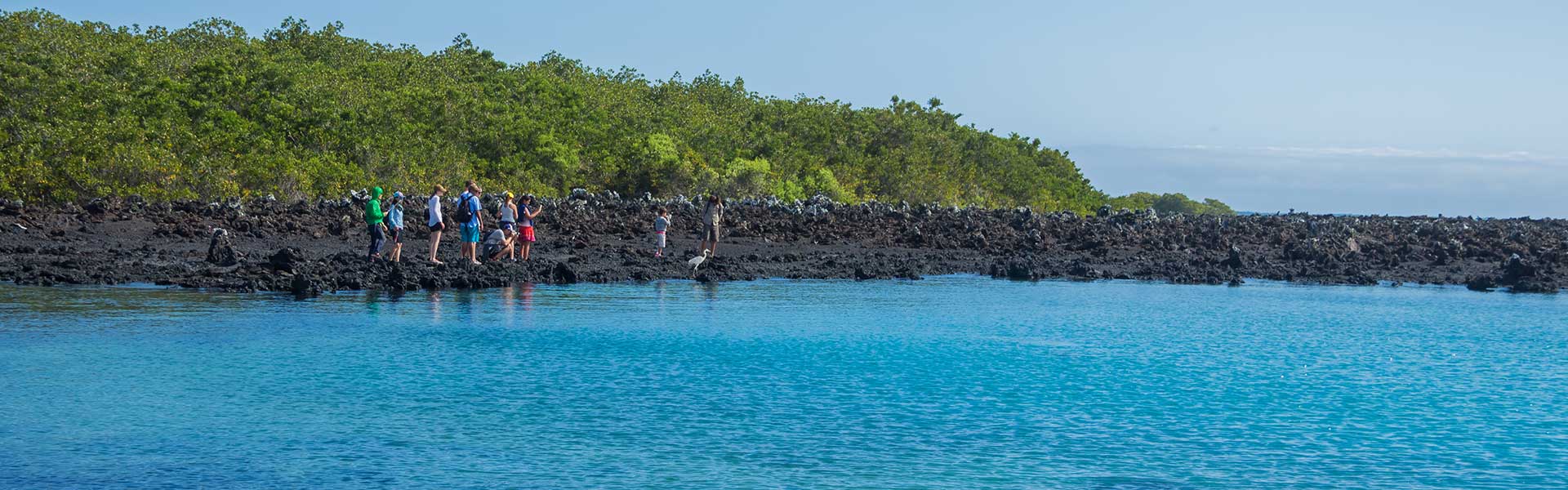
On Isabela, the ocean is part of everyday life. Along the coast of Puerto Villamil...
With curiosity, we listen and are inspired to design a match between the right people, places and experiences creating the optimal circumstances to transform travelers into heroes through sustainable travel and magical unforgettable memories.
Our Address
- C.C Home Design Cumbayá, Avenida Oswaldo Guayasamin
- (+593) 2 605 1505
- info@artexperiences.travel
- Mon-Fri: 09:00 to 18:00
Quick Links
Menú
Copyright © 2021 ArtExperiences
TRÁMITE LUAE: 2024RENWEBLUAE24303/ Registro de Turismo N° 1791288882001.001.9008346