
Its name travelled around the world, but its roots remained in Ecuador...

Percebes
A Taste Between the Rocks and the Ocean
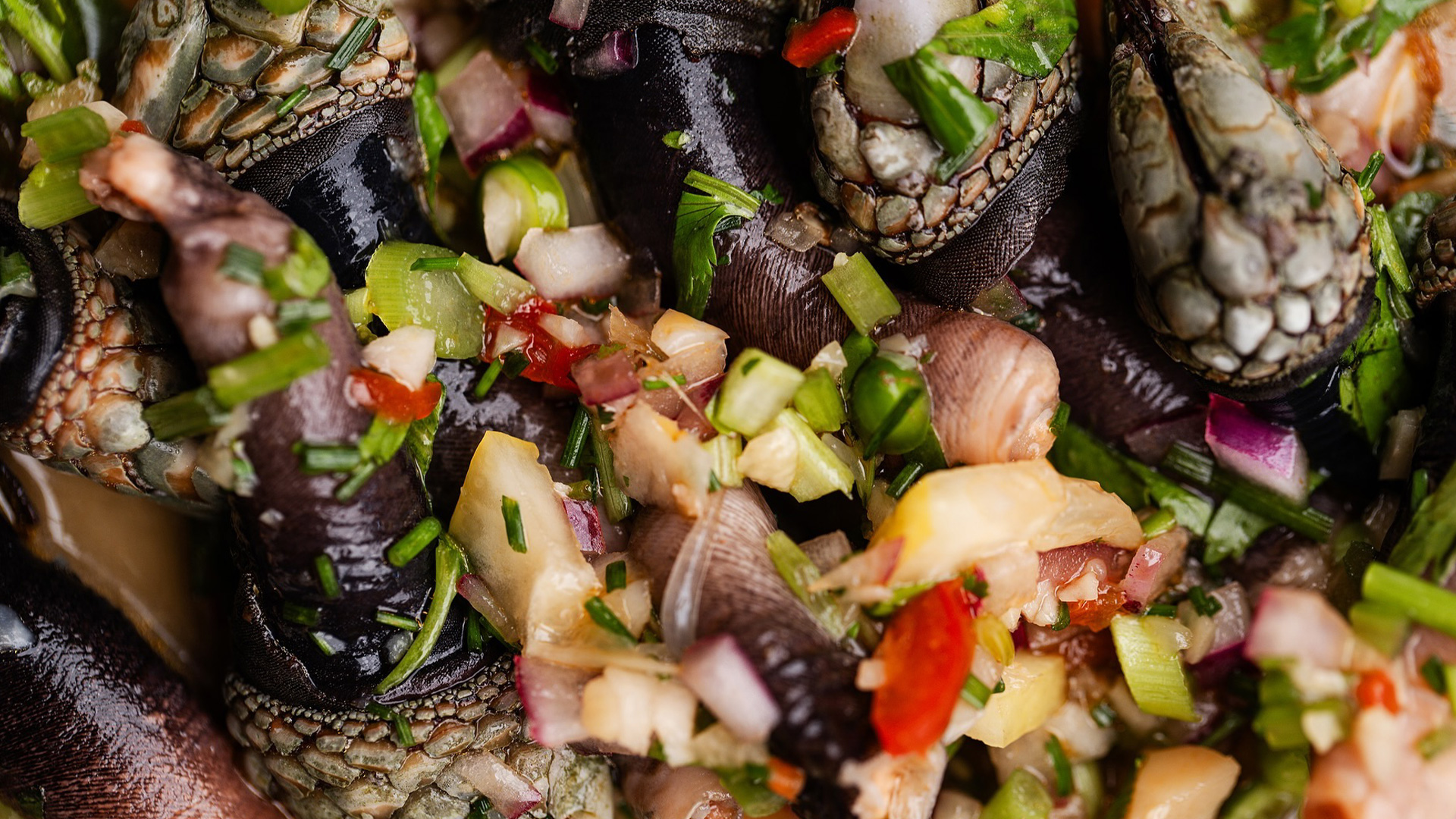
Along the rocky coast of Manabí, where the Pacific crashes against the shore, one of Ecuador’s most distinctive seafood delicacies grows: the percebe, locally known as uña de cabra.
Unlike many other shellfish, percebes attach themselves directly to rocks exposed to powerful waves. Harvesting them requires experience, precision, and an intimate knowledge of the sea, making it one of the most distinctive practices within the fishing traditions of Salango.
Why are they so special?
Part of their value comes from the difficulty of harvesting them.
Percebes grow in areas constantly exposed to waves, meaning harvesters must work carefully among slippery rocks and strong currents, choosing the right conditions and tides to reach them safely.
In Salango, however, this practice is about much more than gastronomy. Research published by Ecuador’s National Institute of Cultural Heritage documents the historical importance of percebes around Salango Island and Isla de la Plata, both within the Machalilla National Park area.
A tradition with thousands of years of history
The history of marine harvesting in Salango is connected to fishing communities that have inhabited this region since pre-Hispanic times.
Archaeological evidence places fishing societies in the area as early as 3600 BC, long before percebes became a product known to visitors and restaurants.
For generations, knowledge about where to find them, how to harvest them, and how to prepare them was passed down through local communities.
By the 1980s, percebes began gaining greater commercial value outside Salango, partly driven by interest from Spanish visitors who were already familiar with this delicacy.
The conservation challenge
Today, this tradition exists at an interesting crossroads. Although shellfish harvesting forms part of Salango’s cultural heritage, percebe extraction is prohibited within the protected reserve areas of Machalilla National Park.
This creates an important conversation between cultural heritage and environmental conservation. Preserving a traditional practice does not necessarily mean continuing extraction within protected ecosystems. Instead, it means finding ways to safeguard the knowledge, history, and cultural significance of the practice while protecting the environment that made it possible.
More than an ingredient
A percebe may seem like a small delicacy, but behind it lies a much larger story: fishing communities, generations of traditional knowledge, a powerful marine ecosystem, and the ongoing challenge of balancing cultural heritage with conservation.
Along Ecuador’s coast, gastronomy can be another way of understanding a place. Few ingredients demonstrate this connection quite as vividly as the percebe.
RECENT POSTS
Machalilla National Park
•
11/09/2026
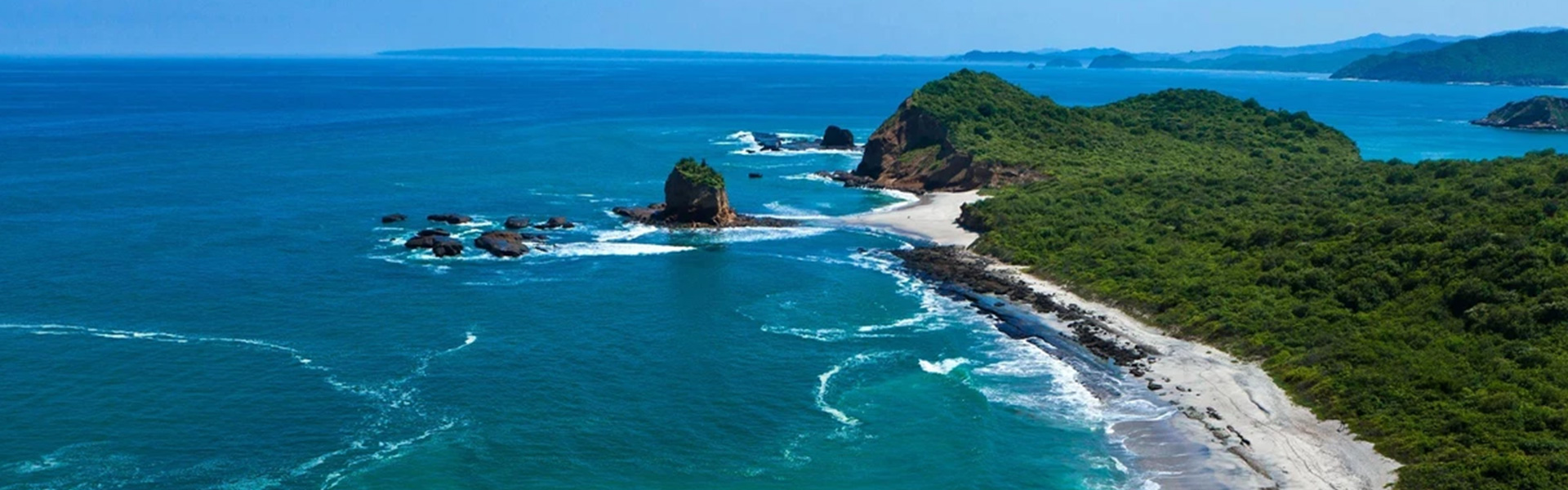
On Ecuador’s Pacific coast, where dry forest meets the ocean...
Sani Lodge
•
31/08/2026
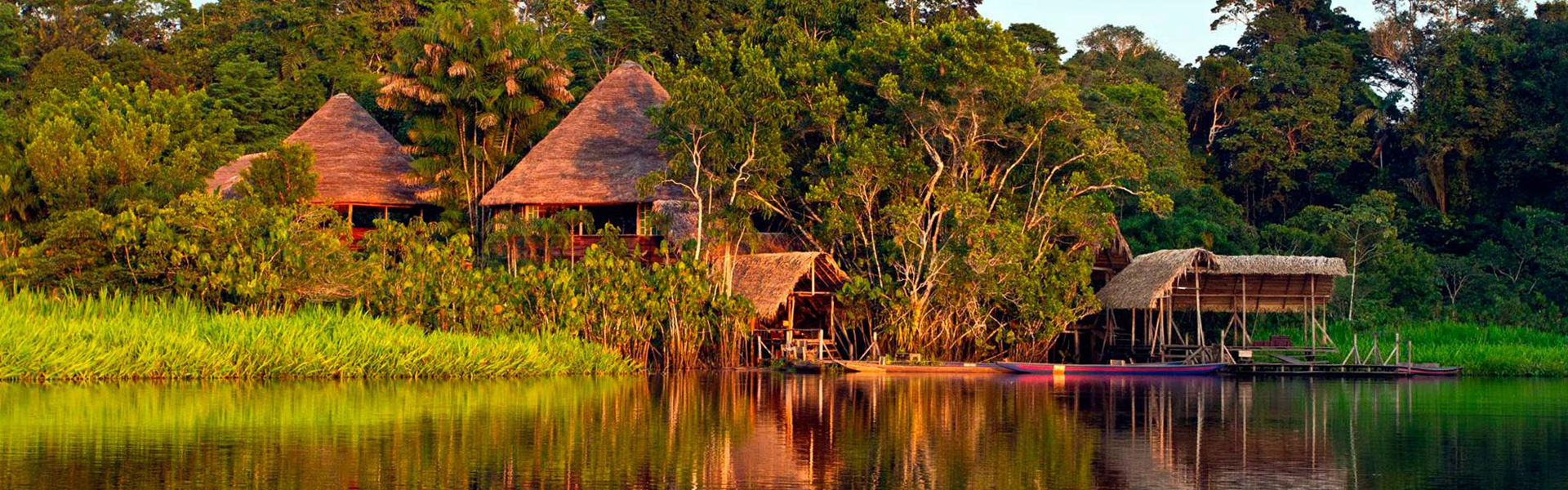
Sani Lodge sits within the Yasuní Biosphere Reserve, surrounded...
With curiosity, we listen and are inspired to design a match between the right people, places and experiences creating the optimal circumstances to transform travelers into heroes through sustainable travel and magical unforgettable memories.
Our Address
- C.C Home Design Cumbayá, Avenida Oswaldo Guayasamin
- (+593) 2 605 1505
- info@artexperiences.travel
- Mon-Fri: 09:00 to 18:00
Quick Links
Menú
Copyright © 2021 ArtExperiences
TRÁMITE LUAE: 2024RENWEBLUAE24303/ Registro de Turismo N° 1791288882001.001.9008346