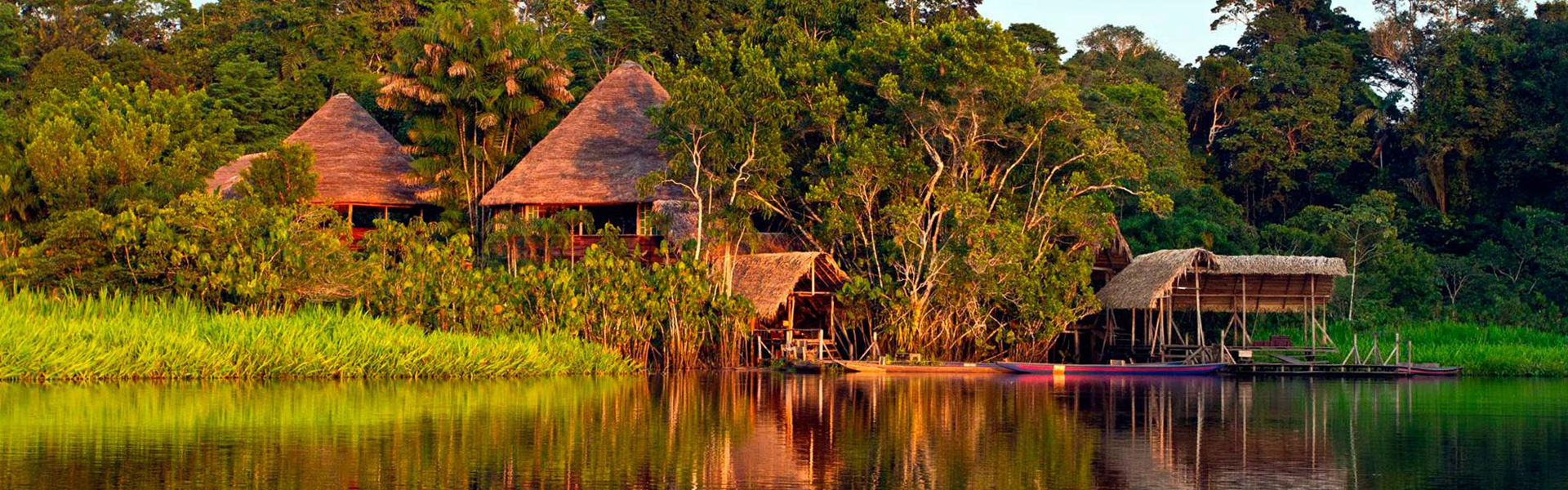
Sani Lodge sits within the Yasuní Biosphere Reserve, surrounded...

Cuyabeno
Where Water, Forest and Culture Intersect
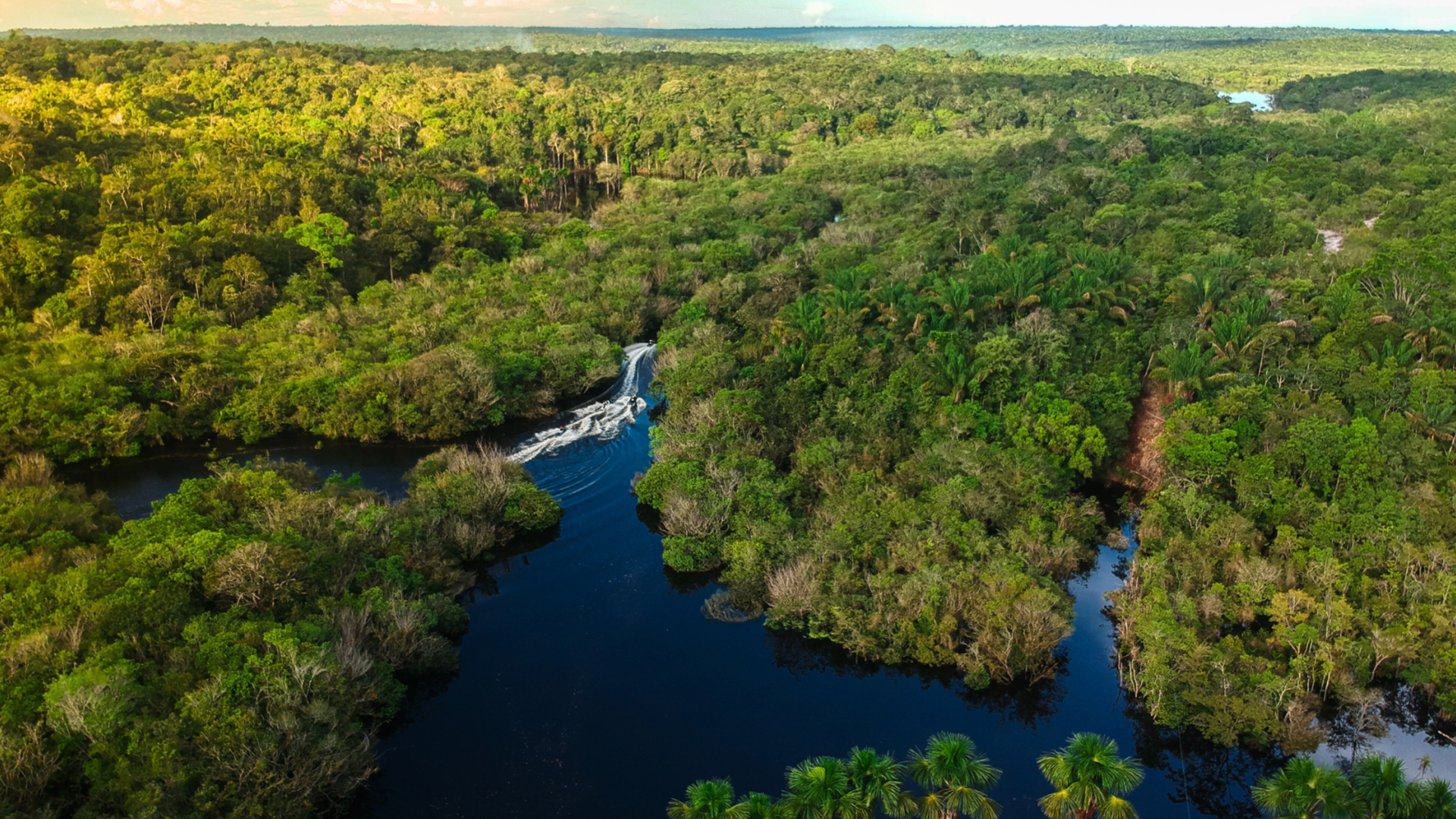
The Cuyabeno Wildlife Reserve covers approximately 590,000 hectares in northeastern Ecuador, making it one of the country’s largest protected areas. Its landscape is shaped by rivers, lagoons, wetlands, and forests that can remain flooded for several months of the year, creating a constantly changing mosaic of aquatic and terrestrial ecosystems.
Water is one of the main forces shaping life here. During periods of flooding, sections of forest become aquatic habitats, allowing fish and other species to move through spaces that are dry at other times of the year. This seasonal pulse creates a remarkable diversity of habitats within a single protected area.
The Cuyabeno – Lagartococha – Yasuní wetland complex extends across approximately 770,000 hectares and is recognized as Ecuador’s largest Ramsar wetland. Its interconnected river basins and wetlands support extraordinary biological diversity, including hundreds of bird species and a remarkable variety of fish, mammals, reptiles, amphibians, and plants.
But Cuyabeno is not only a biological landscape, it is also an ancestral territory where different Indigenous nationalities have lived and maintained relationships with the forest and its waters over generations.
Within the Cuyabeno protected area are territories and communities belonging to the Siona, Kichwa, A’I Cofán, Secoya, and Shuar nationalities. Their presence is an essential part of the cultural landscape of the reserve, and the Ecuadorian Ministry of Environment maintains agreements for the use and management of ancestral territories with these communities.
This coexistence between protected ecosystems and ancestral territories adds another dimension to the meaning of conservation. The forest is not simply a place where wildlife is protected; it is also a living territory where knowledge, traditions, languages, and relationships with nature continue to evolve.
Among the species associated with Cuyabeno are river dolphins, caimans, monkeys, giant river otters, manatees, and hundreds of bird species. The reserve also protects extensive areas of flooded forest, including blackwater ecosystems whose distinctive color is created by the decomposition of organic matter in the water.
What makes Cuyabeno especially compelling is that there is no single version of the landscape. Water levels, weather, light, and time of day constantly transform what can be seen and how the forest is experienced. A morning canoe journey, an afternoon among the lagoons, and a night excursion can reveal entirely different dimensions of the same ecosystem.
Experiencing Cuyabeno therefore goes beyond wildlife observation; it means entering a landscape where ecological cycles and human cultures have developed together over generations. Traveling through its waterways offers an opportunity to understand not only the extraordinary biodiversity of the Amazon, but also the cultural diversity that forms part of its identity. Cuyabeno is not a static forest; it floods, recedes, moves, and transforms with the water, while the people who call this territory home continue to carry knowledge and relationships that are equally part of its living heritage.
RECENT POSTS
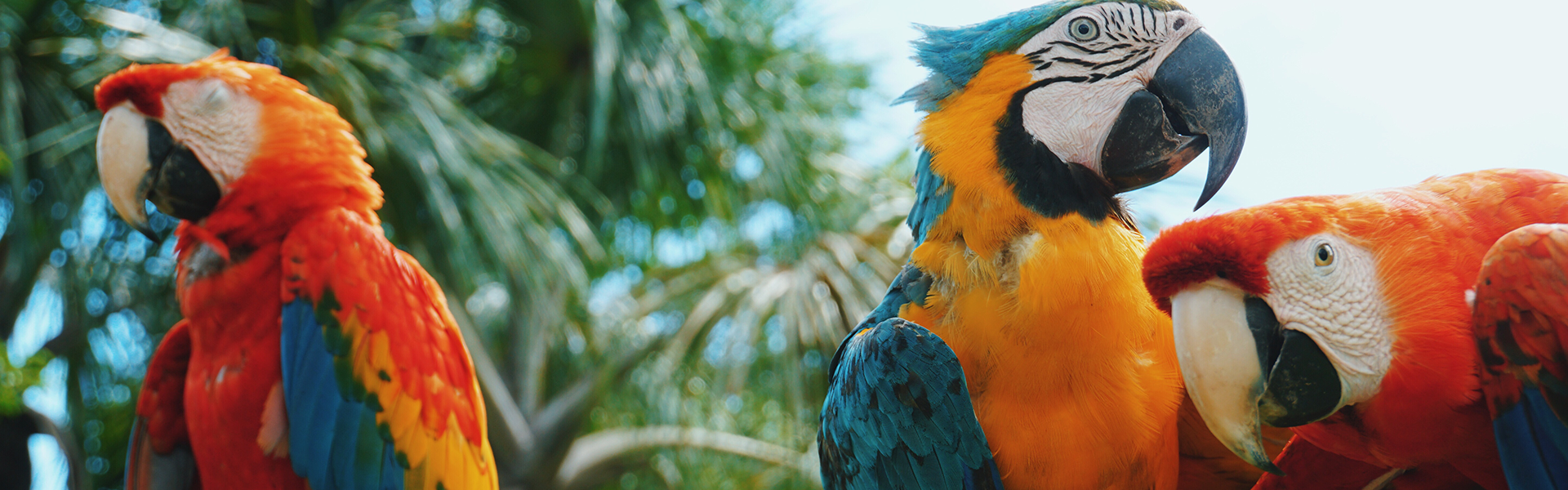
Breaking the Myths of Traveling to the Amazon
•
31/08/2026
The Amazon often comes with a certain image: intense heat, difficult...
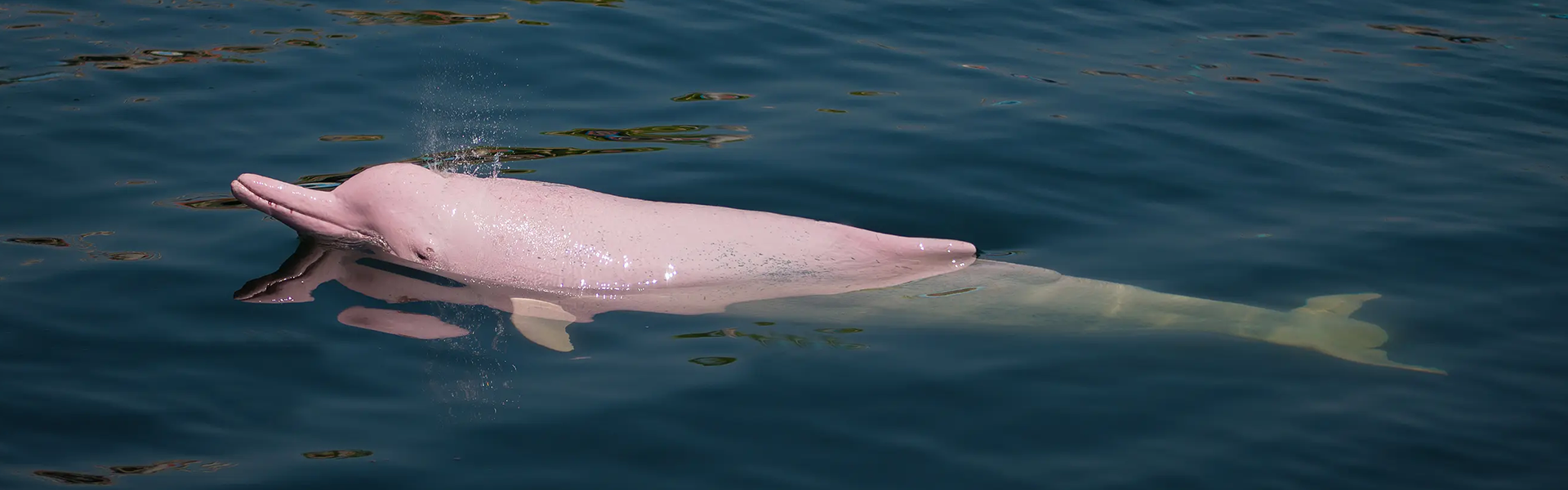
Discovering the Amazon Pink River Dolphin
•
31/08/2026
The Amazon pink river dolphin is one of the five species of river...
With curiosity, we listen and are inspired to design a match between the right people, places and experiences creating the optimal circumstances to transform travelers into heroes through sustainable travel and magical unforgettable memories.
Our Address
- C.C Home Design Cumbayá, Avenida Oswaldo Guayasamin
- (+593) 2 605 1505
- info@artexperiences.travel
- Mon-Fri: 09:00 to 18:00
Quick Links
Menú
Copyright © 2021 ArtExperiences
TRÁMITE LUAE: 2024RENWEBLUAE24303/ Registro de Turismo N° 1791288882001.001.9008346