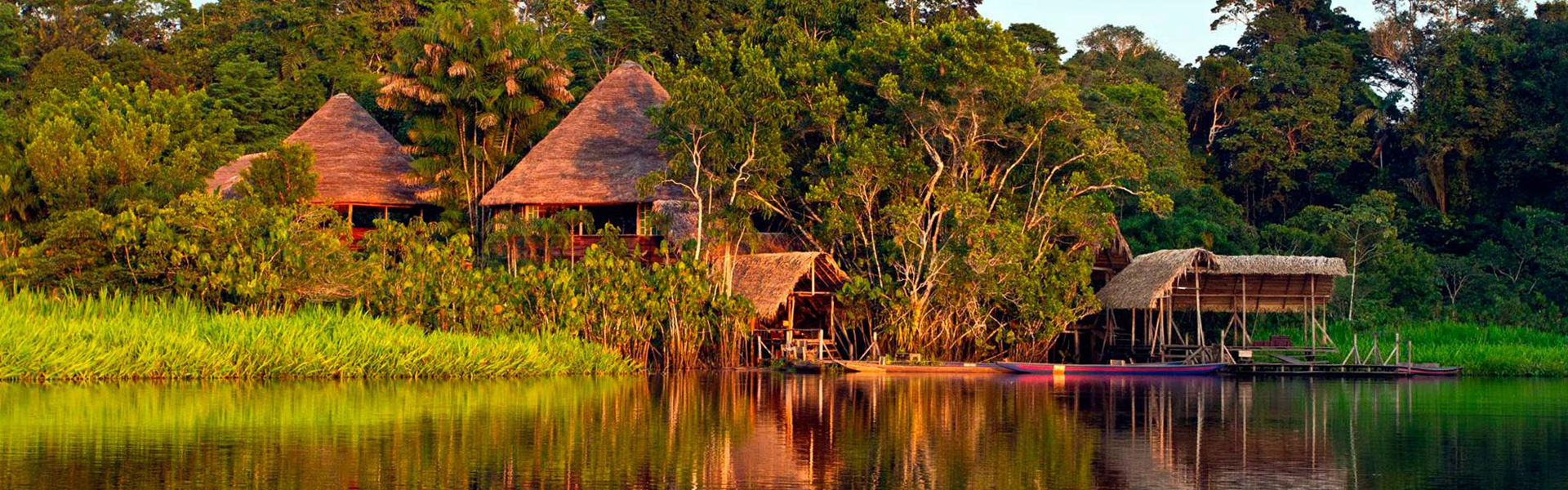
Sani Lodge sits within the Yasuní Biosphere Reserve, surrounded...

Discovering the Amazon Pink River Dolphin
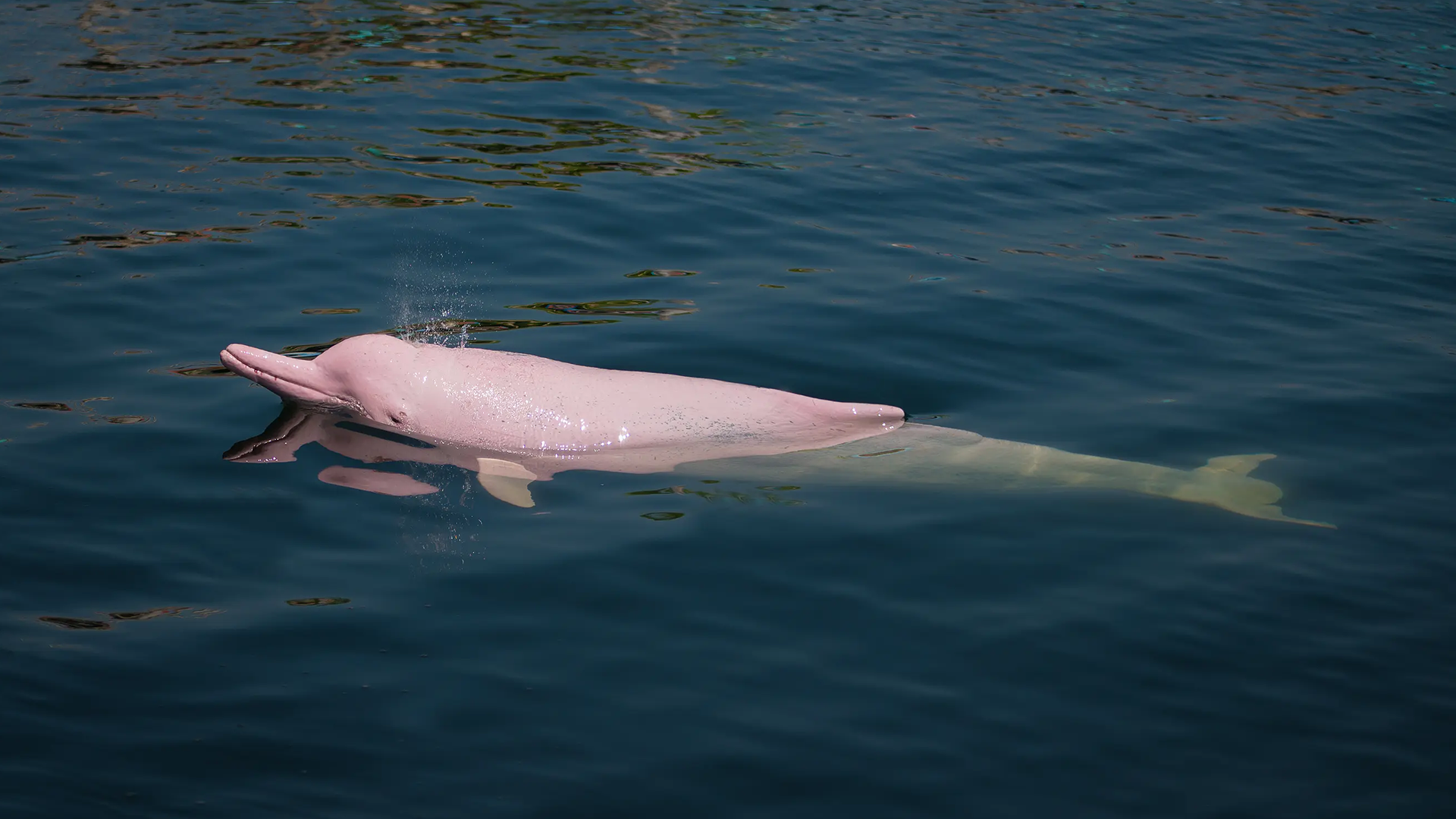
The Amazon pink river dolphin is one of the five species of river dolphins found in the world and the largest of them all. Adults can reach up to 2.5 meters in length and weigh approximately 180 kilograms. Their characteristic pink coloration becomes more noticeable as they mature and can vary depending on age, physical condition, and water conditions.
In Ecuador, these dolphins inhabit Amazonian rivers such as the Napo, Aguarico, Pastaza, and their tributaries, moving through rivers, lagoons, and flooded forests. Due to the complexity and size of these environments, there is no exact global population count; however, scientific studies have identified important populations throughout the Amazon basin, with numbers varying depending on habitat conditions and food availability.
Their diet consists mainly of fish. They can consume approximately 2 to 5 kilograms of food per day, feeding on more than 50 different fish species, as well as small crustaceans and other aquatic organisms. Their flexible neck, a unique adaptation among dolphins, allows them to move through flooded forests and between tree roots to find food in areas that other species cannot access.
A Species Connected to the Amazon Ecosystem are Pink dolphins, who play an important role within the Amazon’s aquatic food chain. By regulating fish populations and moving through different areas of the river system, it contributes to the natural balance of freshwater ecosystems.
For Indigenous Amazonian communities, this species also holds deep cultural significance. For generations, pink dolphins have been part of legends, traditions, and ancestral knowledge, reflecting the close relationship between local communities and the natural world around them.
Despite their ecological and cultural importance, pink dolphins face several threats, including river pollution, habitat degradation, declining fish populations, and accidental capture in fishing nets.
Their conservation involves multiple strategies. Researchers monitor populations through photographic identification, acoustic studies, and behavioral research to better understand their movements, health, and habitat needs. At the same time, conservation programs promote sustainable fishing practices, environmental education, and the protection of important river areas where dolphins find food and shelter.
In Ecuador, protecting pink dolphins is closely connected to the conservation of major Amazonian ecosystems such as Yasuní National Park and other protected areas that maintain the natural connection between rivers and forests.
Responsible tourism also contributes by raising awareness about the species and supporting local communities involved in conservation efforts. A Symbol of a Living Amazon Protecting pink dolphins means protecting the rivers, flooded forests, and biodiversity that depend on them. This species represents the connection between nature, culture, and conservation, reminding us that the health of an ecosystem is reflected in every living being that inhabits it.
Discovering the Amazon through its pink dolphins is discovering a world where every river tells a story, every species has a purpose, and conservation is essential to keeping one of Ecuador’s greatest natural treasures alive.
RECENT POSTS
Breaking the Myths of Traveling to the Amazon
•
31/08/2026
The Amazon often comes with a certain image: intense heat, difficult...
With curiosity, we listen and are inspired to design a match between the right people, places and experiences creating the optimal circumstances to transform travelers into heroes through sustainable travel and magical unforgettable memories.
Our Address
- C.C Home Design Cumbayá, Avenida Oswaldo Guayasamin
- (+593) 2 605 1505
- info@artexperiences.travel
- Mon-Fri: 09:00 to 18:00
Quick Links
Menú
Copyright © 2021 ArtExperiences
TRÁMITE LUAE: 2024RENWEBLUAE24303/ Registro de Turismo N° 1791288882001.001.9008346