In Ecuador, the difference between a good trip and a memorable one....

SANTA CRUZ ISLAND
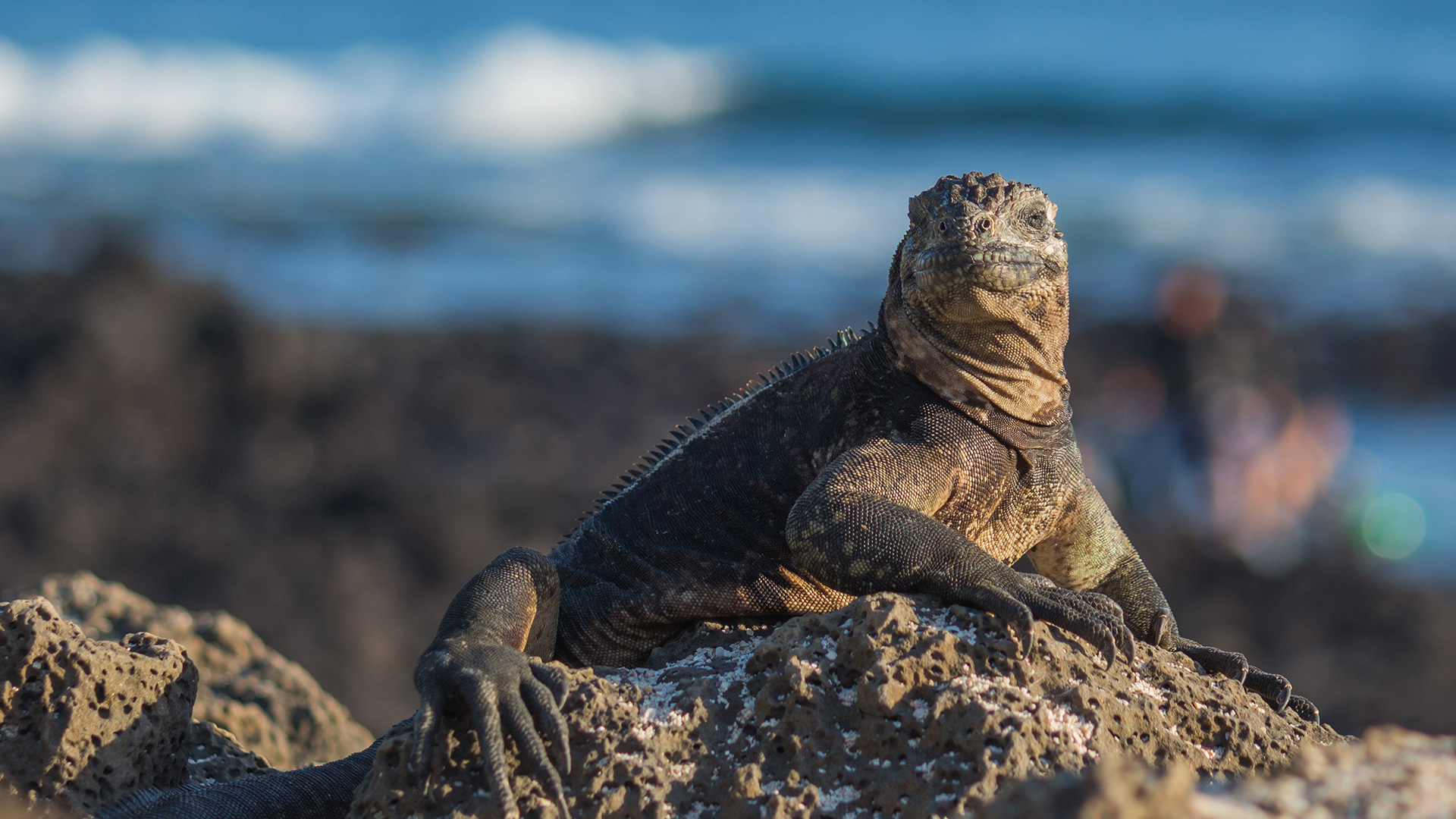
For many travelers, the Islas Galápagos are imagined as remote, untouched, almost uninhabited. Yet it is on Santa Cruz where the human story of the archipelago truly unfolds in constant dialogue with nature. It is where science meets community, where conservation becomes routine, and where travelers can begin to understand the delicate balance required to protect one of the most extraordinary ecosystems on Earth. Here, sustainability is practiced every day through education, regulation, research, and respect.
Walking through the island reveals layers often unseen from a cruise itinerary alone. Research centers and conservation projects sit alongside family-run farms and coastal neighborhoods. Fishermen, guides, scientists, artists and local entrepreneurs share a common purpose: safeguarding the islands while sustaining a dignified way of life. Santa Cruz offers context; explains why the rules exist, how ecosystems are protected, and what it takes to live responsibly in a fragile environment. Visiting the island allows travelers to move beyond observation and into understanding, transforming wildlife encounters into informed appreciation.
What makes Santa Cruz especially compelling is how conservation is woven into everyday decisions, led by families and small initiatives whose impact are tangible.
In the island’s highlands, farms are shifting from conventional agriculture to diversified, low-impact practices designed for Galápagos’ fragile conditions. Many combine small-scale crops and livestock with composting, strict waste separation, and careful water use. Production stays intentionally limited: less strain on land, fewer inputs, and a stronger local food network. These visits reveal a practical truth, sustainability is built through daily discipline and long-term care, not grand gestures.
Along the coast, artisanal fishing families are also reshaping stewardship through concrete choices: respecting no-take periods, avoiding vulnerable species, and adjusting effort to seasonal abundance. Some households diversify with small hospitality or educational activities, reducing reliance on extraction alone. The result is a model where livelihoods and conservation reinforce each other.
Together, these examples show that protection doesn’t only happen in protected areas, it happens in kitchens, gardens, boats, and routine decisions. Santa Cruz offers a community-led blueprint that can inspire responsible travel practices far beyond Galápagos.
RECENT POSTS
Stairway Theatre
•
13/03/2026
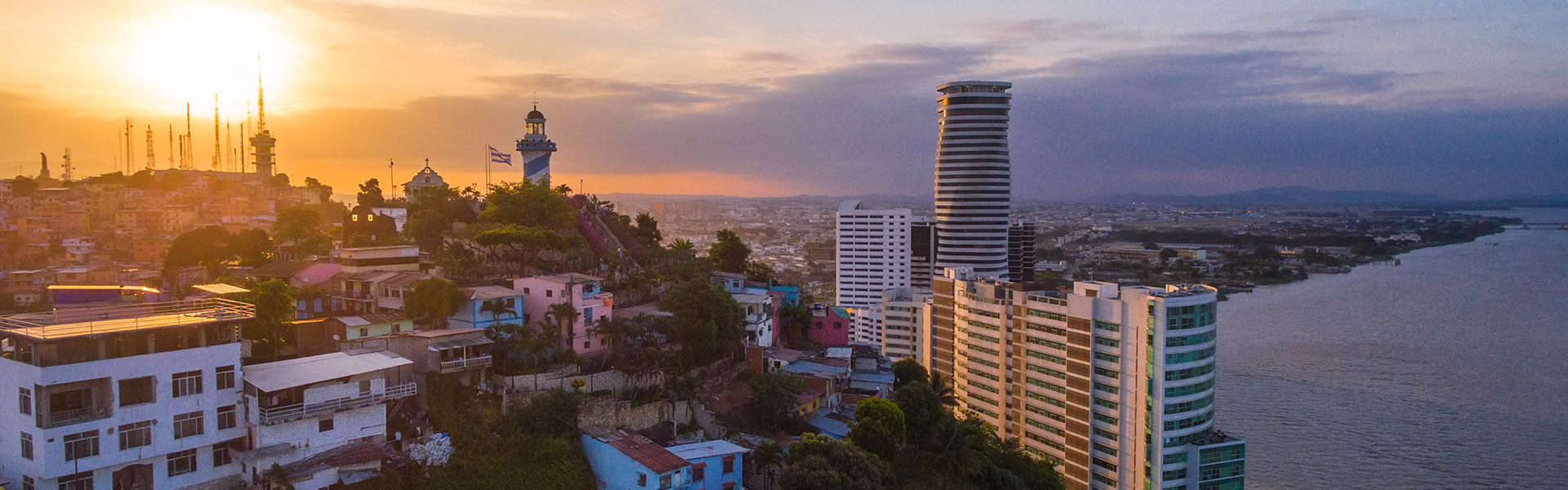
Las Peñas sits on the slopes of Cerro Santa Ana, beside the Guayas River...
Las Peñas
•
13/03/2026
For many travelers, the Galápagos begins with a boarding pass...
With curiosity, we listen and are inspired to design a match between the right people, places and experiences creating the optimal circumstances to transform travelers into heroes through sustainable travel and magical unforgettable memories.
Our Address
- C.C Home Design Cumbayá, Avenida Oswaldo Guayasamin
- (+593) 2 605 1505
- info@artexperiences.travel
- Mon-Fri: 09:00 to 18:00
Quick Links
Menú
Copyright © 2021 ArtExperiences
TRÁMITE LUAE: 2024RENWEBLUAE24303/ Registro de Turismo N° 1791288882001.001.9008346