
Responsible travel often sounds like a list of things we should...

Recipes as Memory
Reading Ecuador’s Coast Through Its Food
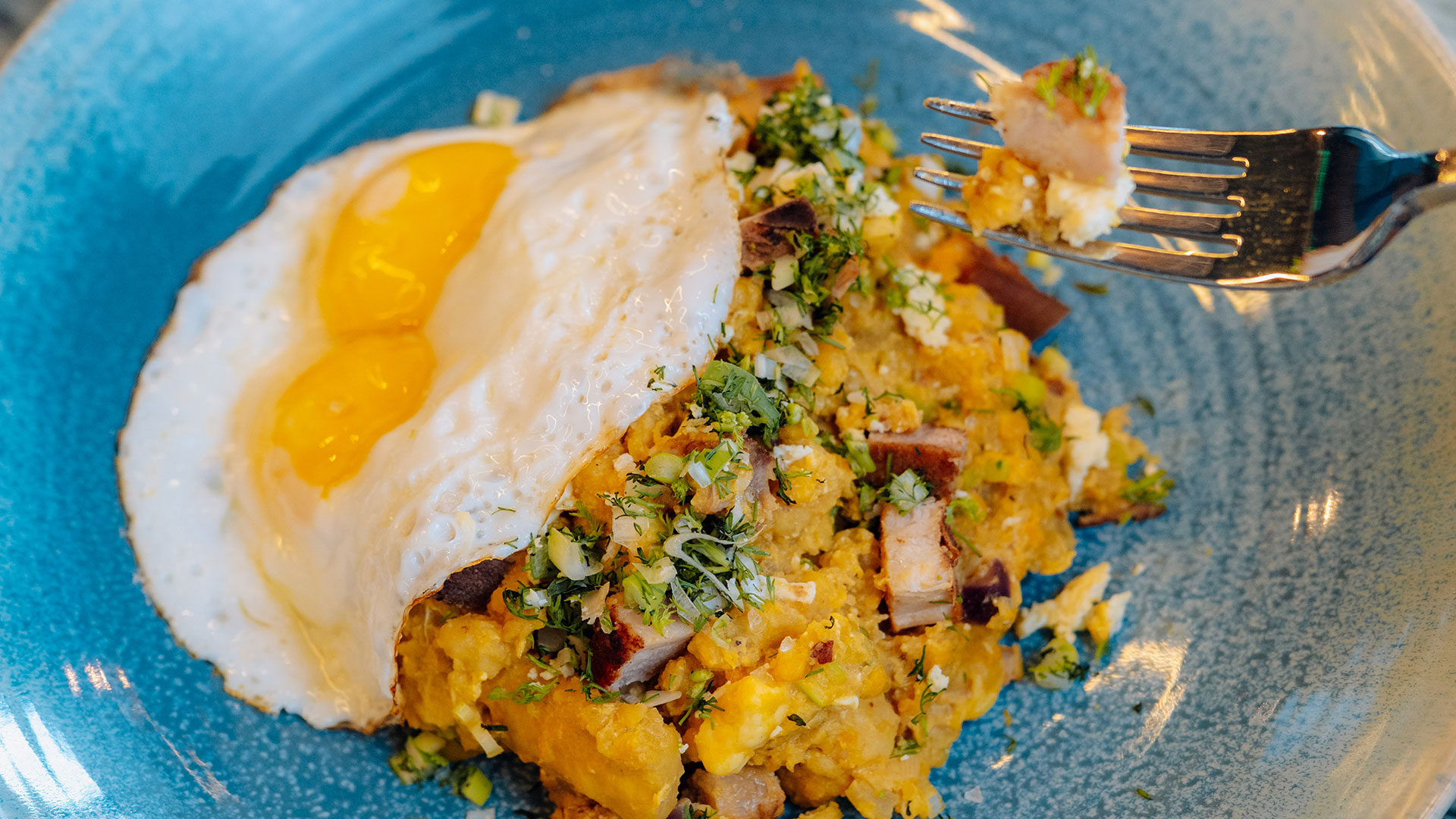
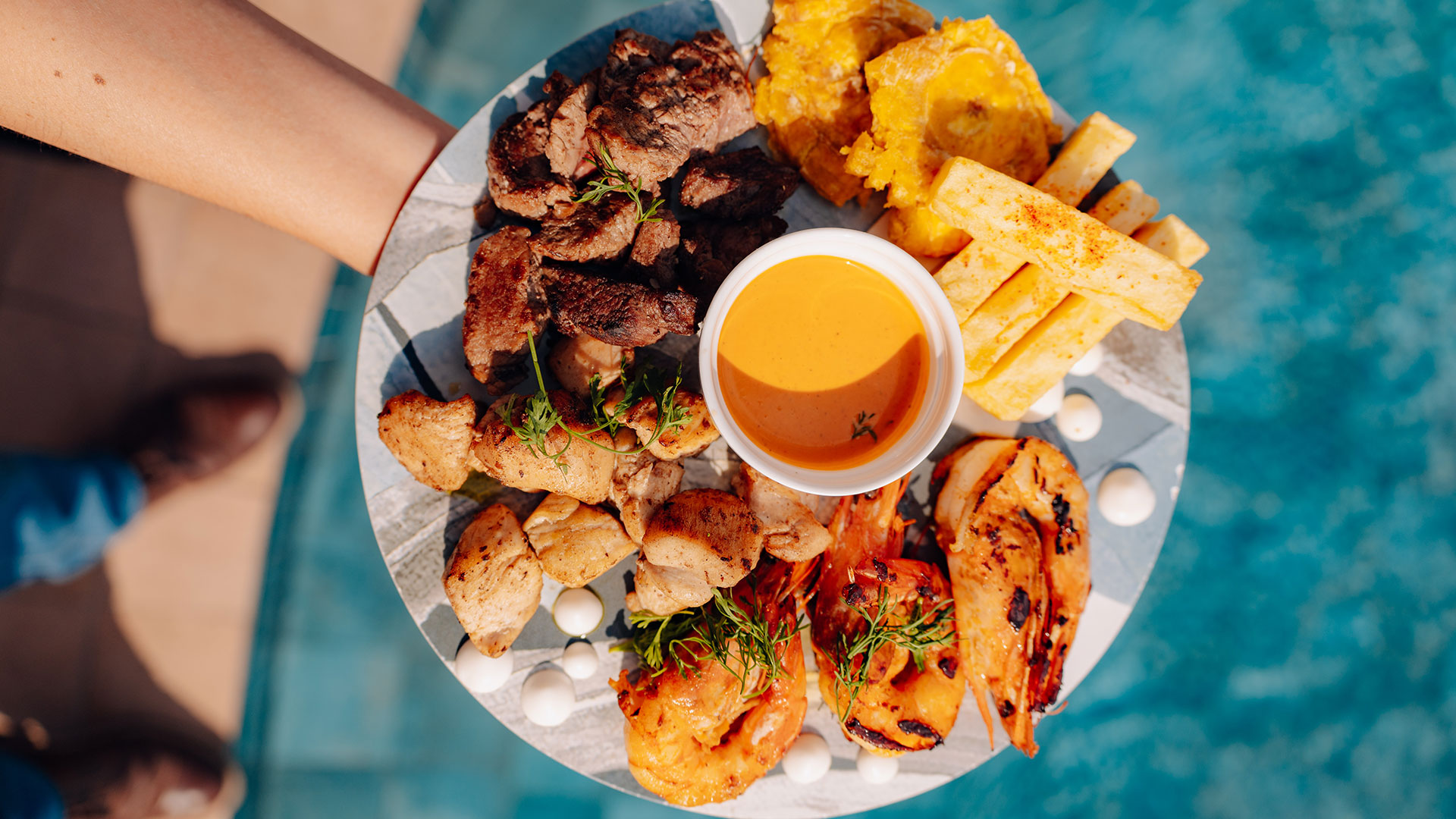
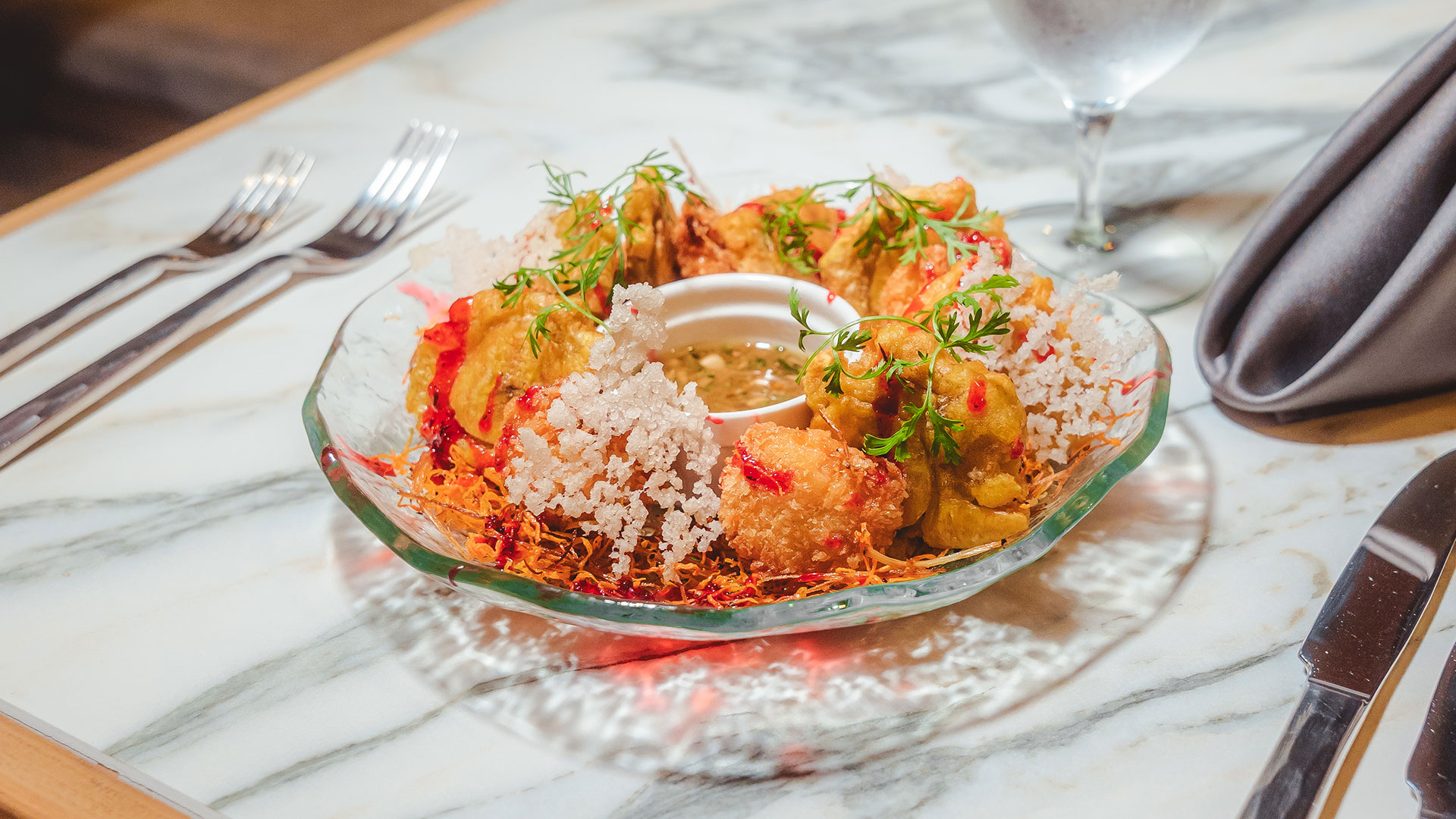
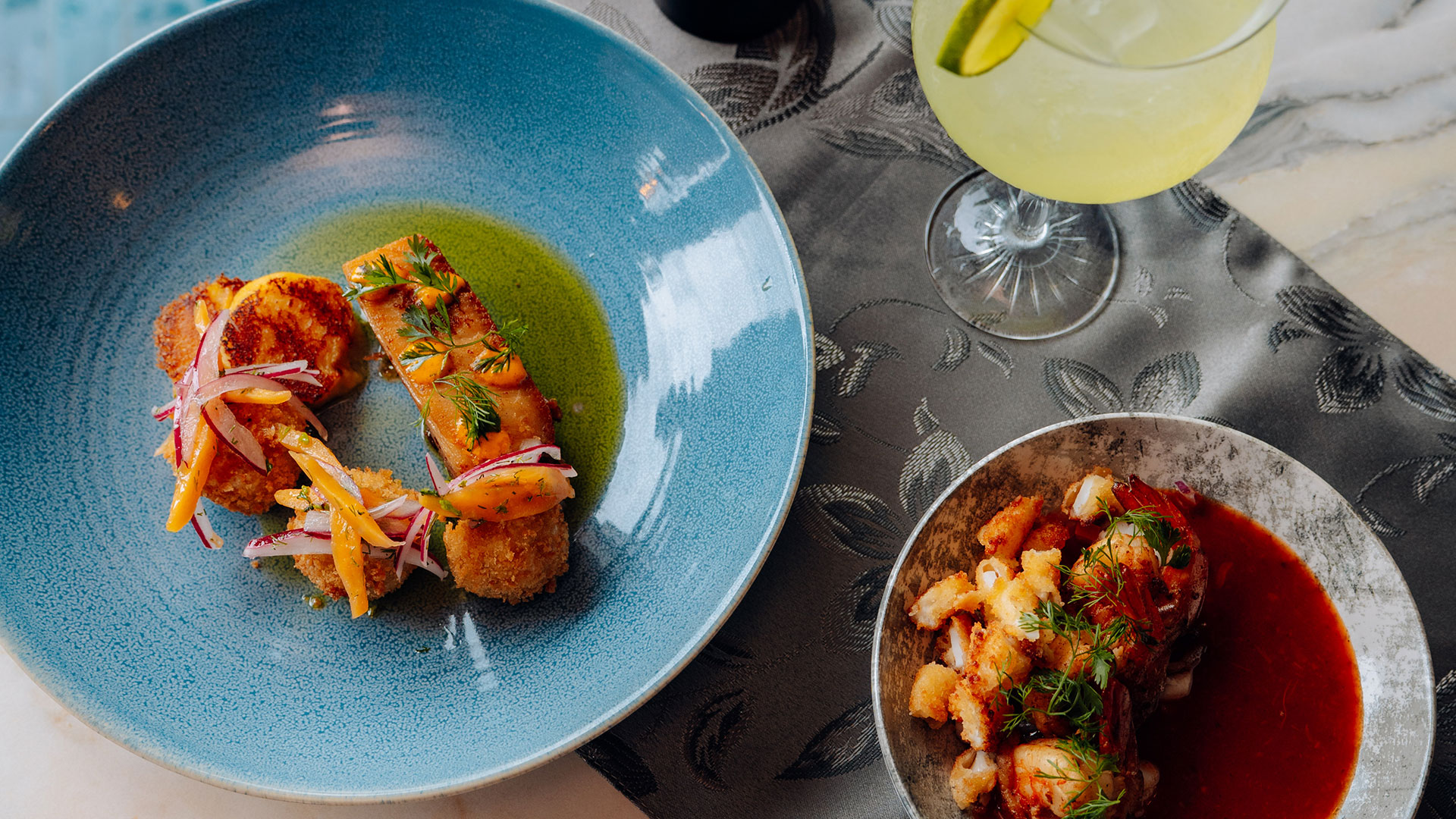
A recipe can hold information for centuries without ever being written down. Along Ecuador’s coast, traditional cooking preserves knowledge about climate, agriculture, rivers, forests, mangroves and the Pacific. Ingredients that appear together on a plate often tell us where communities lived, what they cultivated and how they adapted to their environment.
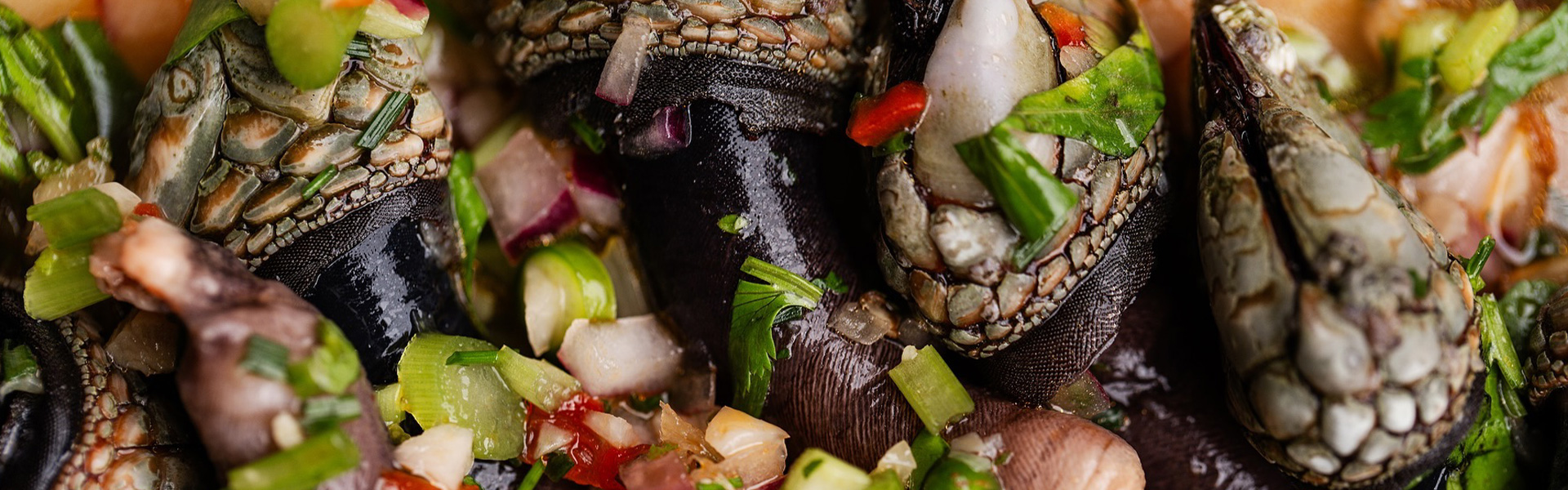
Manabí offers one of the clearest examples: peanuts, green plantain, cassava, maize, seafood and fresh fish form part of a culinary vocabulary repeated across generations yet transformed into remarkably different preparations. The ingredients themselves are only part of the knowledge.
Traditional Manabí cooking also contains techniques for roasting, grinding, wrapping, smoking and cooking over wood. In northern Manabí, research by Ecuador’s National Institute of Cultural Heritage has documented practices connected with the Cojimíes River bioregion, including foods prepared in plantain leaves and traditional wood fired ovens. The research also records the importance of fish, seafood, peanuts, plantain, cassava, rice and coconut to local food traditions.
Some preparations associated with northern Manabí reveal exchanges among Indigenous, Afro Ecuadorian and coastal communities. The INPC has documented connections between dishes such as encocao and tapao and culinary knowledge associated with the Chachi nationality and Afro descendant populations that have lived in the region for centuries. The estuary and sea once functioned as important routes connecting these communities and their food cultures.
Coconuts can suggest relationships with humid coastal ecosystems and Afro descendant culinary traditions. Plantain speaks about tropical agriculture; seafood connects the kitchen to estuaries and the Pacific, Peanuts appear repeatedly in Manabí cuisine, creating one of the distinctive flavor signatures of the province.
Food also carries social memory. Recipes survive because somebody continues preparing them, often through knowledge learned by watching rather than reading. Quantities may be judged by touch, consistency, aroma, or experience. A cook becomes a keeper of information.
That cultural importance has received international recognition. Portoviejo joined UNESCO’s Creative Cities Network in 2019 in the field of Gastronomy. The designation connects gastronomy with cultural identity, local development, and the city’s recovery following the 2016 earthquake.
Instead of beginning with the question, “What should I eat?”, begin with “Why is this eaten here?”
The answer might lead to an estuary, a farm, an Indigenous technique, an Afro Ecuadorian tradition, a market or a family kitchen. So suddenly, lunch becomes a lesson in geography, history, and human memory.
RECENT POSTS
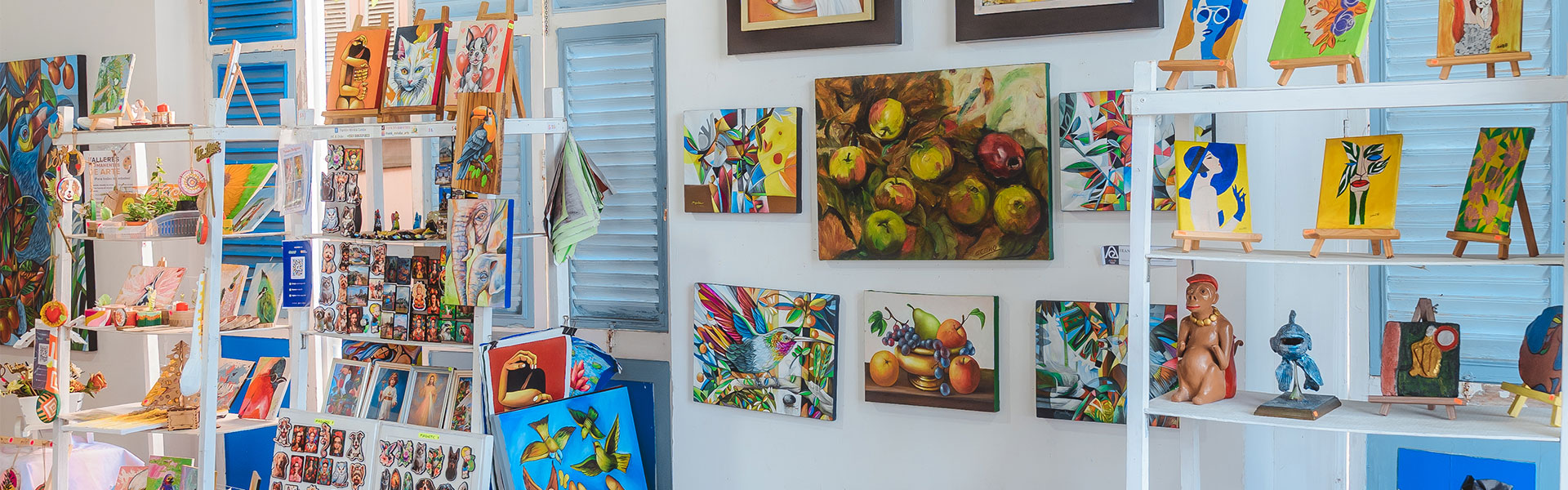
Inside the Artistic Soul
•
22/09/2026
Walk along Numa Pompilio Llona and Guayaquil begins...
With curiosity, we listen and are inspired to design a match between the right people, places and experiences creating the optimal circumstances to transform travelers into heroes through sustainable travel and magical unforgettable memories.
Our Address
- C.C Home Design Cumbayá, Avenida Oswaldo Guayasamin
- (+593) 2 605 1505
- info@artexperiences.travel
- Mon-Fri: 09:00 to 18:00
Quick Links
Menú
Copyright © 2021 ArtExperiences
TRÁMITE LUAE: 2024RENWEBLUAE24303/ Registro de Turismo N° 1791288882001.001.9008346