
A recipe can hold information for centuries without ever being written....

The Responsible Traveler’s Mindset
Learning to Read a Destination
Responsible travel often sounds like a list of things we should consume less of. There is another part of the conversation that can be equally powerful: learning to notice more. Every destination function through a network of people: Guides interpret landscapes, Farmers produce ingredients, Artisans preserve techniques, Drivers connect remote places, Traditional cooks transmit recipes, Communities manage territories and ecosystems with knowledge accumulated over generations.
Understanding that network changes the way we travel.
One useful question is surprisingly simple: where does the value of my journey go?
Consider two objects that appear identical on a market stall. One may have been handmade locally using a technique passed through generations. The other may have been produced elsewhere and simply sold at the destination. Knowing the difference turns shopping into an opportunity to understand craftsmanship, provenance and local economies. The same principle applies to food. Asking where an ingredient comes from can reveal agricultural cycles, ecosystems and relationships between producers and cooks. A meal begins to tell us something about the territory that produced it.
Responsible travel also starts before arrival.
Learning a few words, understanding local customs, reading about cultural traditions and knowing why a natural area is protected can dramatically change what we perceive once we arrive. A forest becomes easier to understand when we know how rainfall, altitude and species interact. A ceremony carries greater meaning when we understand the community and calendar behind it.
Knowledge affects behavior.
In Indigenous communities, archaeological sites, protected ecosystems and sacred spaces, photography, access or participation may carry meanings unfamiliar to an outsider. Asking before acting is a small gesture, yet it acknowledges something fundamental: travelers enter places where other people live, work, worship, and maintain traditions.
The Global Sustainable Tourism Council describes destination stewardship as cooperation between residents, public institutions and businesses so tourism can help protect a place while creating benefits from visitation. Travelers participate in that system through hundreds of small decisions.
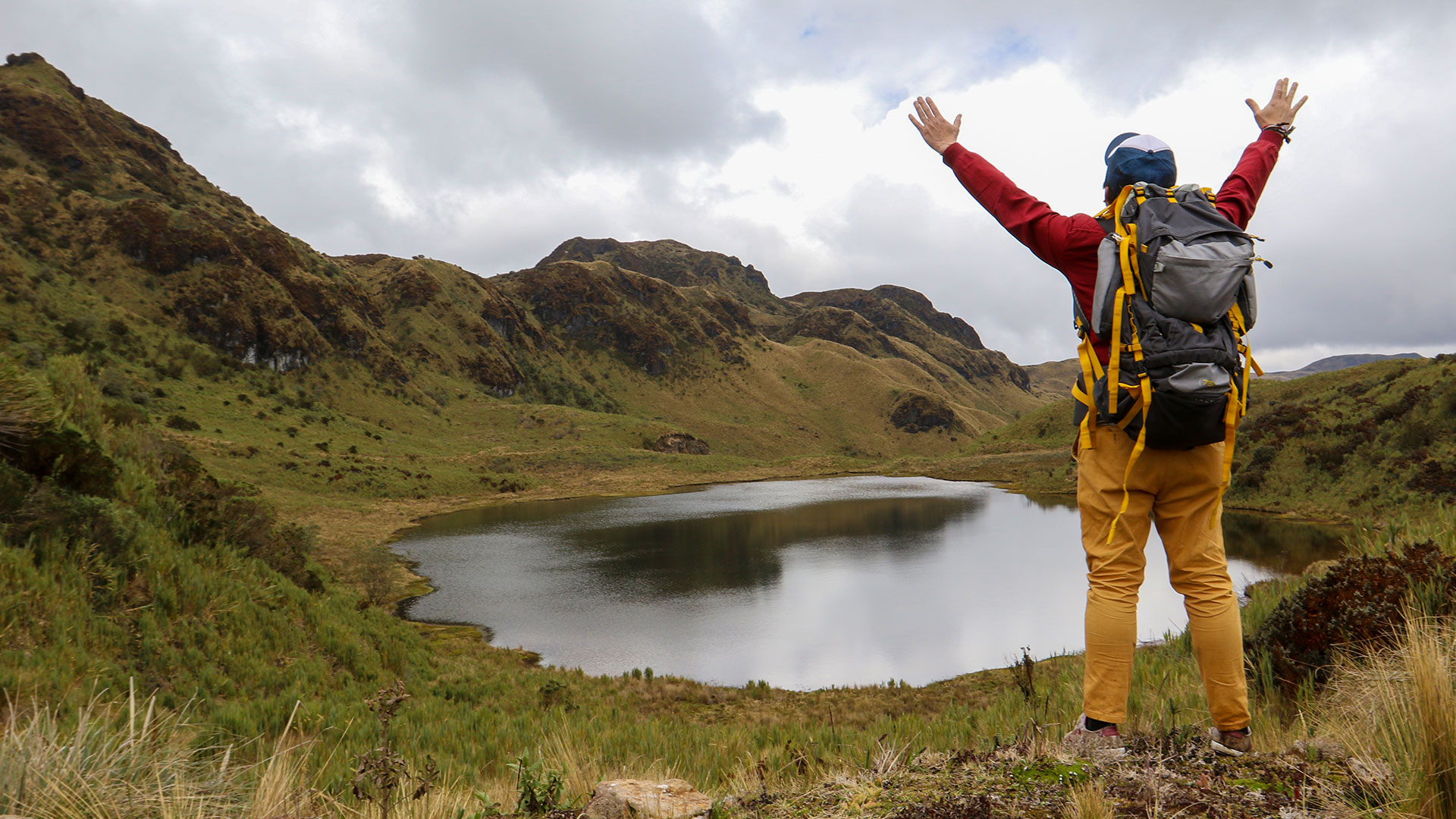
In Ecuador, this mindset becomes particularly valuable because extraordinary cultural and ecological diversity can appear within remarkably short distances. A journey might move from an Andean agricultural community to a cloud forest, an Indigenous market or an Amazonian territory within a few days. Each requires a different way of observing and participating.
Responsible travel therefore begins with attention.
RECENT POSTS
Inside the Artistic Soul
•
22/09/2026
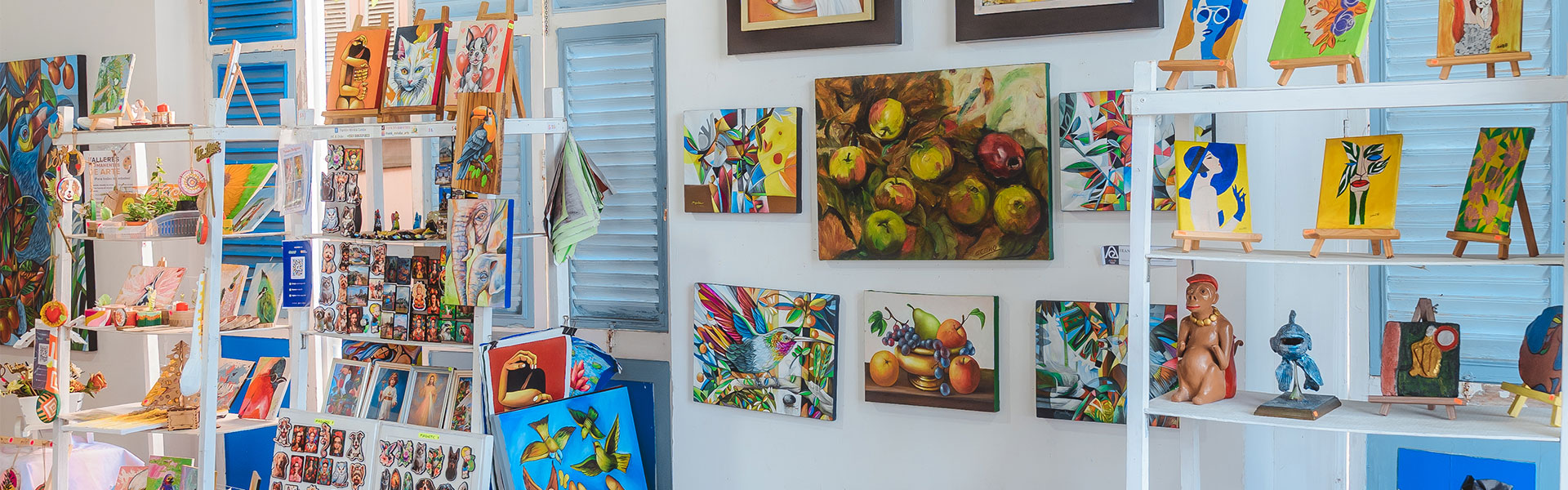
Walk along Numa Pompilio Llona and Guayaquil begins...

With curiosity, we listen and are inspired to design a match between the right people, places and experiences creating the optimal circumstances to transform travelers into heroes through sustainable travel and magical unforgettable memories.
Our Address
- C.C Home Design Cumbayá, Avenida Oswaldo Guayasamin
- (+593) 2 605 1505
- info@artexperiences.travel
- Mon-Fri: 09:00 to 18:00
Quick Links
Menú
Copyright © 2021 ArtExperiences
TRÁMITE LUAE: 2024RENWEBLUAE24303/ Registro de Turismo N° 1791288882001.001.9008346