
Along the rocky coast of Manabí, where the Pacific crashes...

Understanding Ecuador’s Climate
Ecuador’s climate cannot be understood through the lens of traditional seasonal change. Positioned directly on the equator, the country experiences relatively consistent daylight hours throughout the year. What changes instead are rainfall patterns, oceanic interactions, atmospheric conditions, and ecological cycles shaped by altitude and geography.
For many international travelers, Ecuador is first imagined through the lens of the Galápagos Islands. The archipelago has become one of the country’s most globally recognized symbols, not only for its biodiversity, but also because it reveals how deeply Ecuador’s natural systems are connected to ocean currents, volcanic geography, and climatic transitions. Understanding Ecuador’s climate therefore also means understanding the ecological forces that shape Galápagos itself.
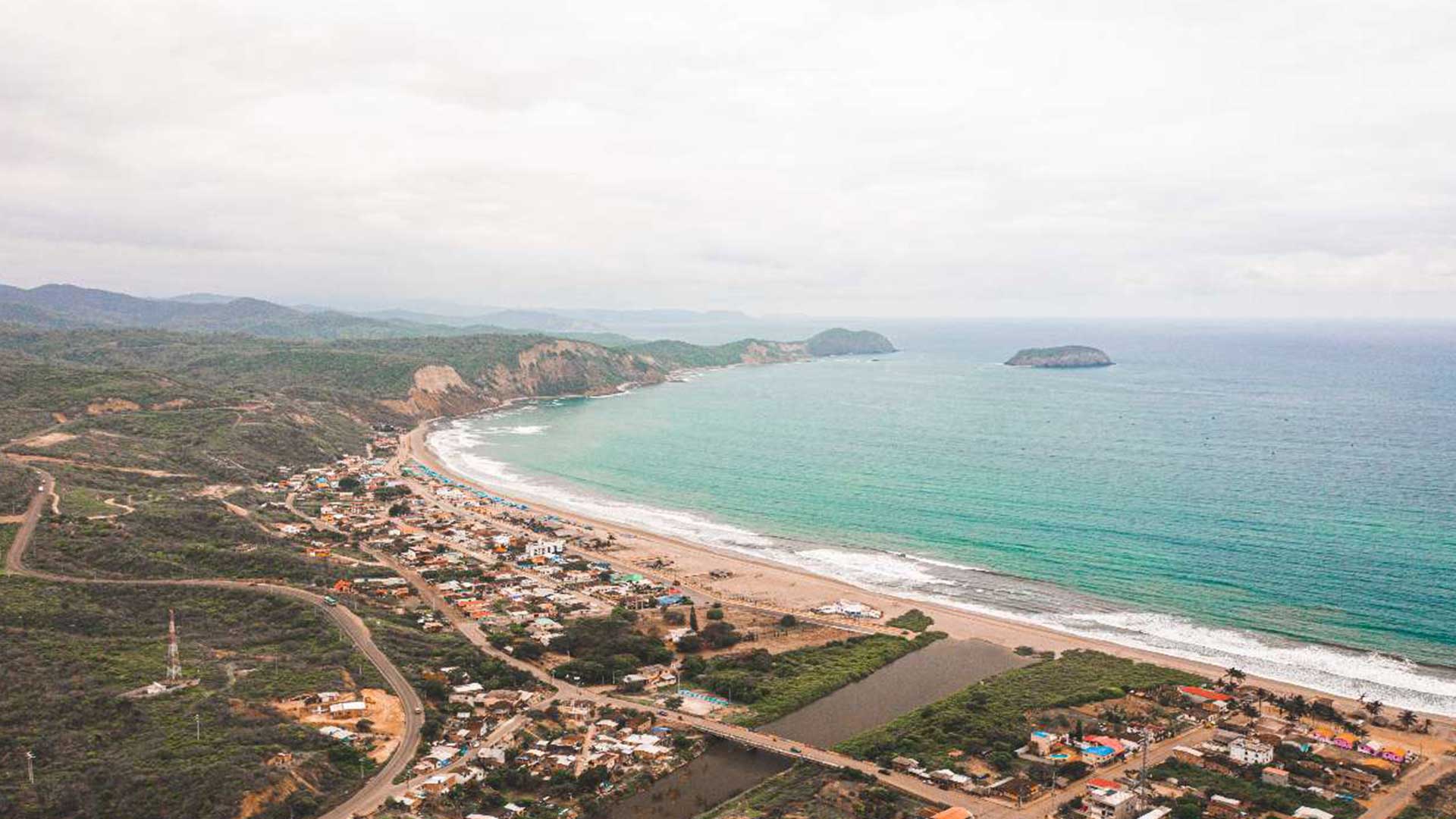
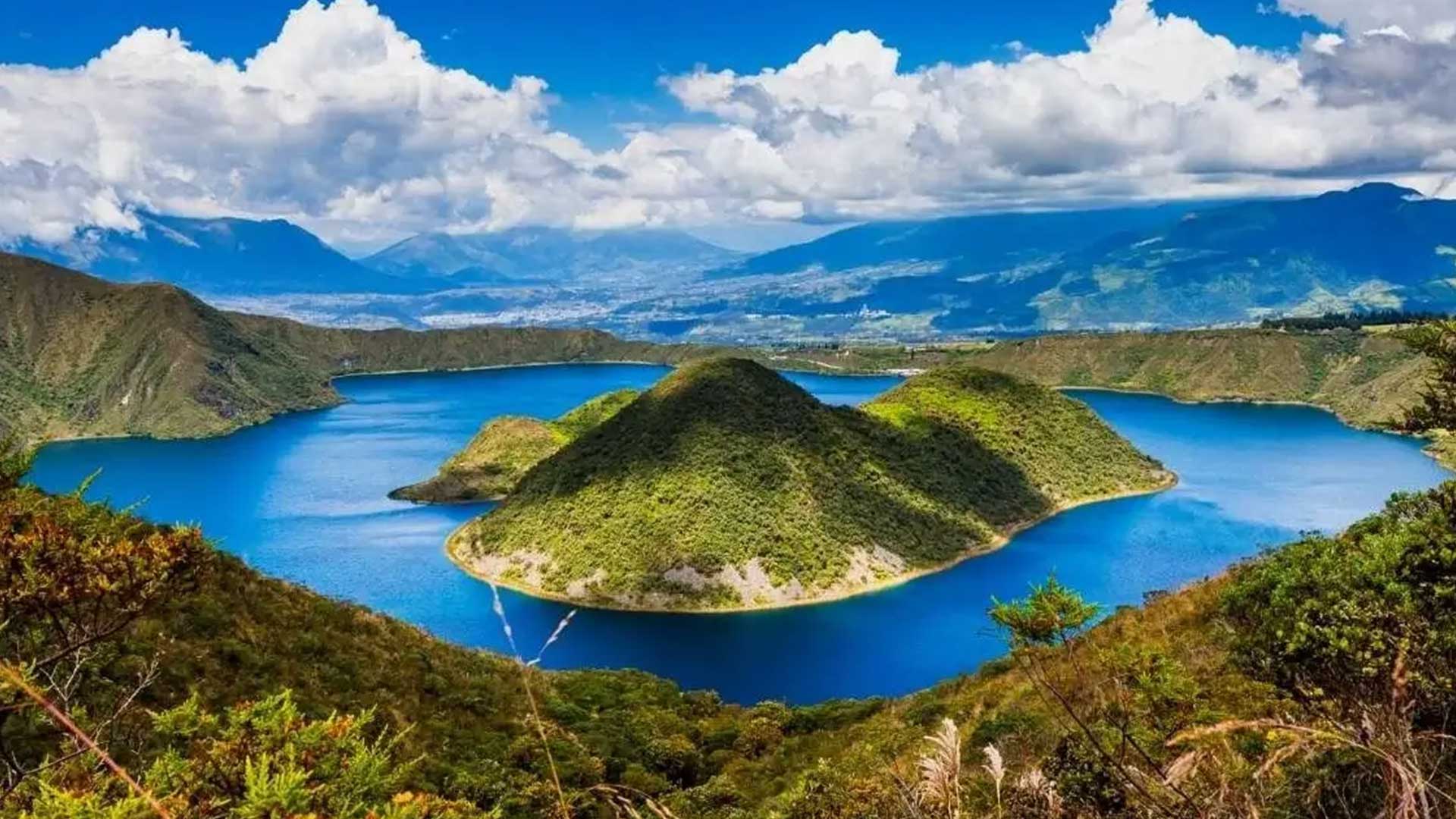
The country’s vertical geography compresses multiple climates into remarkably short distances. The Andes create temperate highland environments despite the equatorial latitude, while the Pacific coast responds dynamically to the interaction between the cold Humboldt Current and warmer tropical waters arriving from the north. These oceanic exchanges influence marine productivity, rainfall cycles, water temperatures, and seasonal wildlife behavior both on the mainland and in Galápagos.
During the cooler season, nutrient-rich upwellings generated by the Humboldt Current intensify around the Galápagos Marine Reserve. Thermocline shifts bring colder waters closer to the surface, increasing marine productivity and attracting extraordinary biodiversity, from whale sharks and sea lions to large schools of fish and seabirds. At the same time, ocean conditions can become more dynamic, with stronger swells and changing sea states that form part of the natural rhythm of the archipelago.
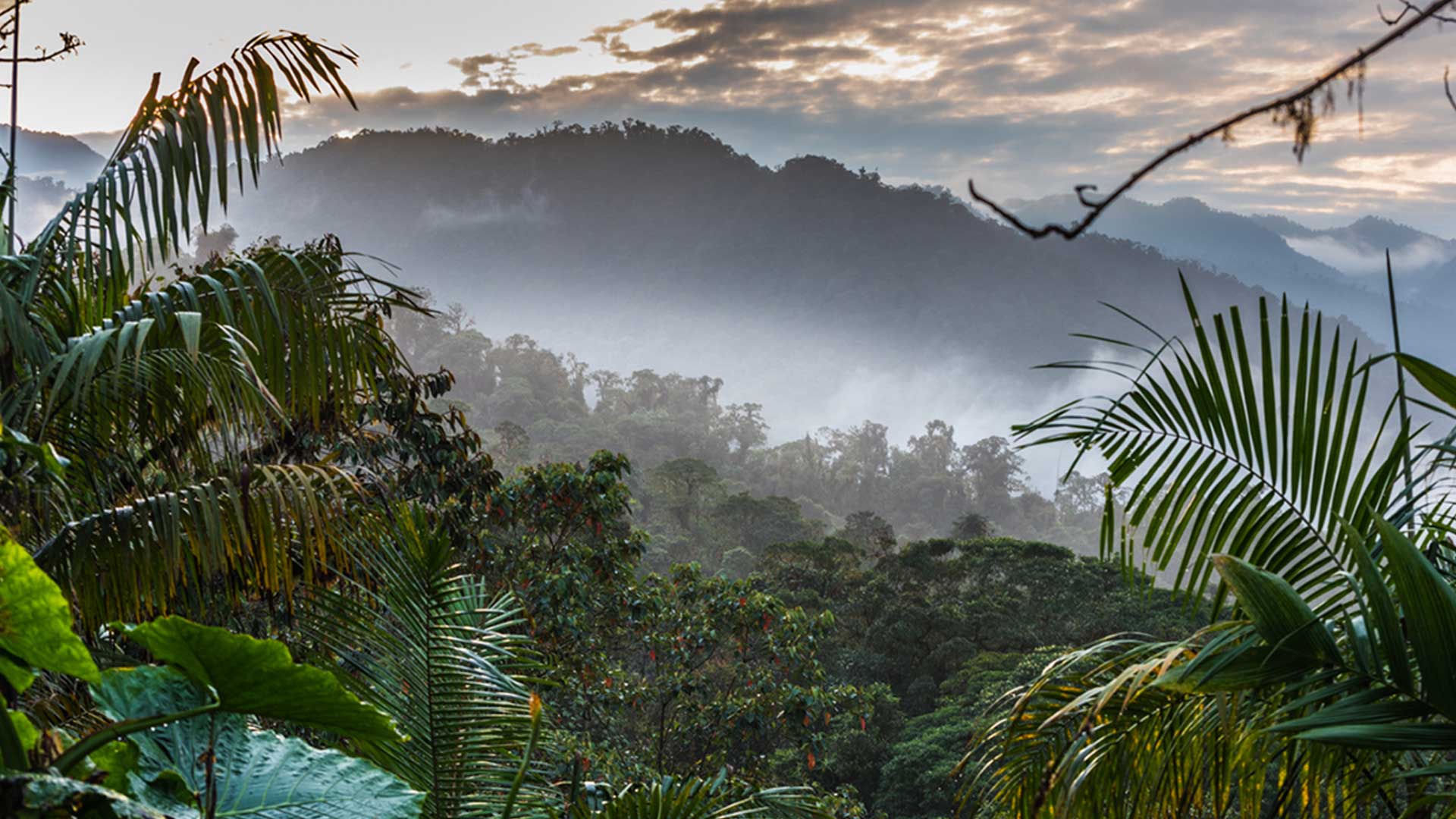
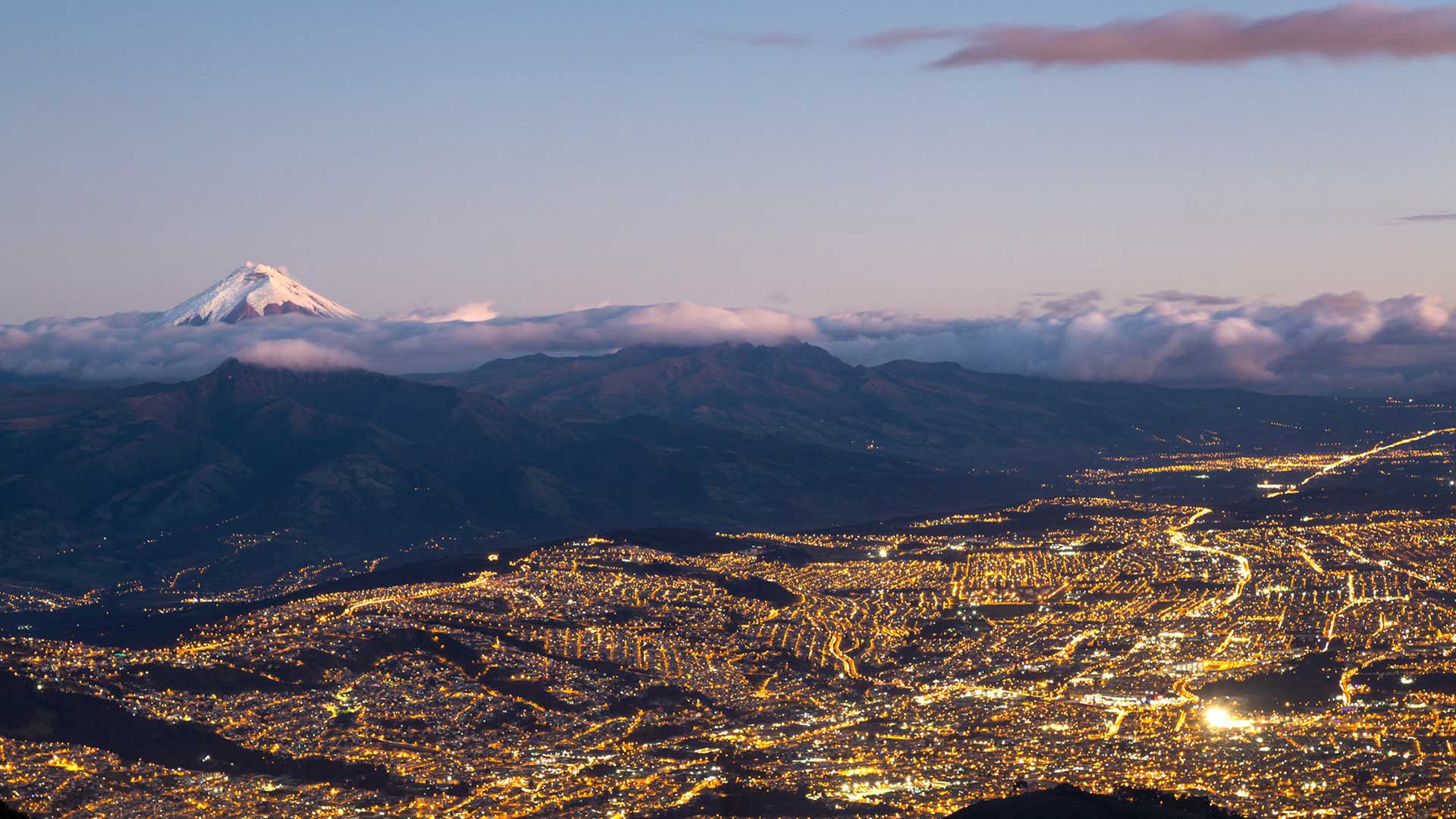
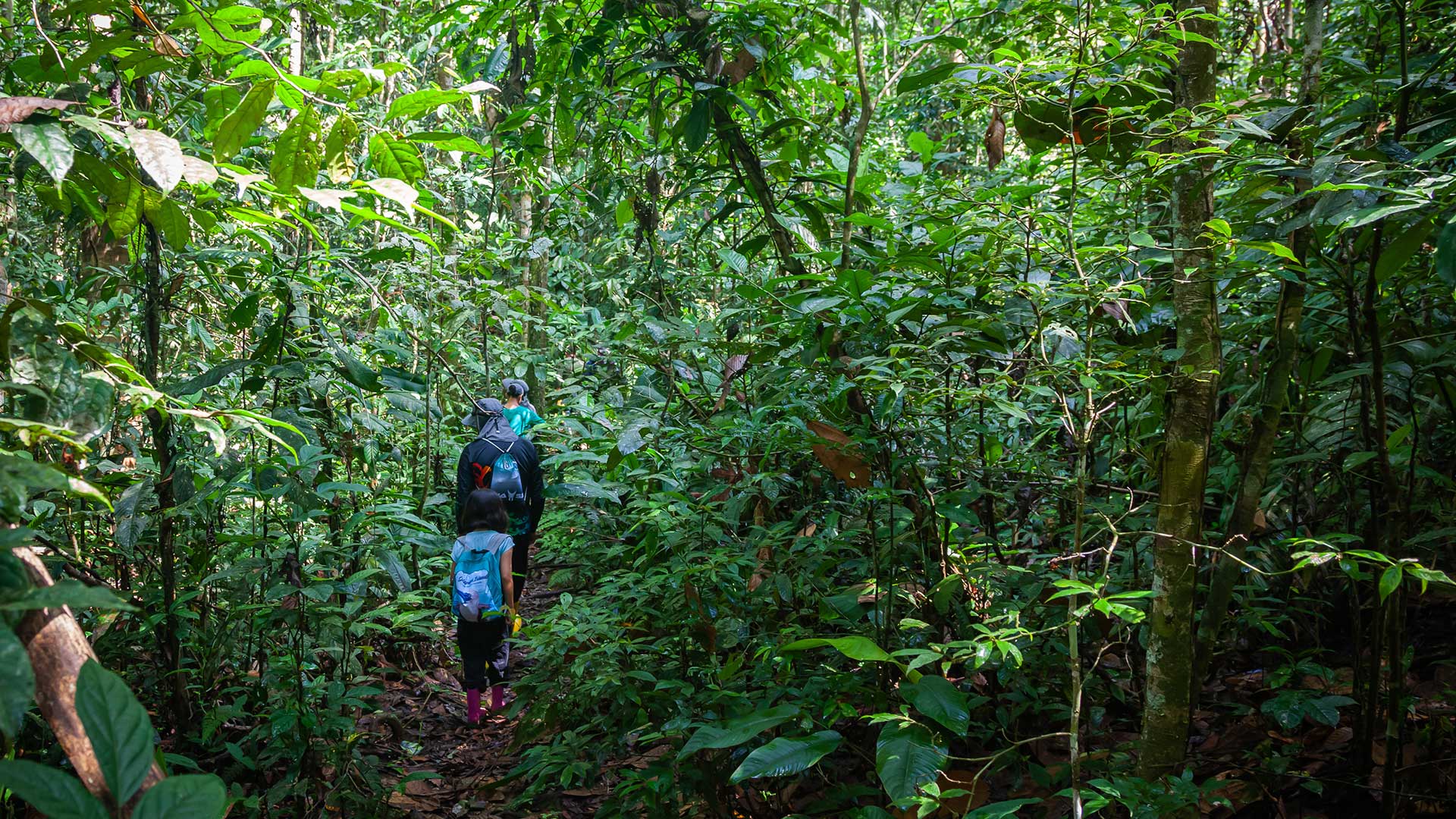
Meanwhile, coastal Ecuador often experiences drier skies during these months, coinciding with the peak whale migration season. In the highlands, cities such as Quito and Otavalo maintain relatively moderate temperatures year-round, allowing for consistent accessibility and cultural exploration. Further east, the Amazon basin follows its own hydrological cycles, where rainfall patterns directly influence river navigation, wildlife visibility, and rainforest access.
This layered climatic system allows travelers to experience multiple ecological worlds within a single journey, without relying on rigid seasonal expectations. In Ecuador, travel windows are shaped less by conventional seasons and more by ecological logic, biological cycles, and regional environmental dynamics.
Understanding this nuance allows for more intentional itinerary design and a deeper appreciation of Ecuador not simply as a destination, but as one of the most geographically and ecologically diverse territories on Earth
RECENT POSTS

The Panama Hat
•
14/09/2026
Its name travelled around the world, but its roots remained in Ecuador...
Machalilla National Park
•
11/09/2026
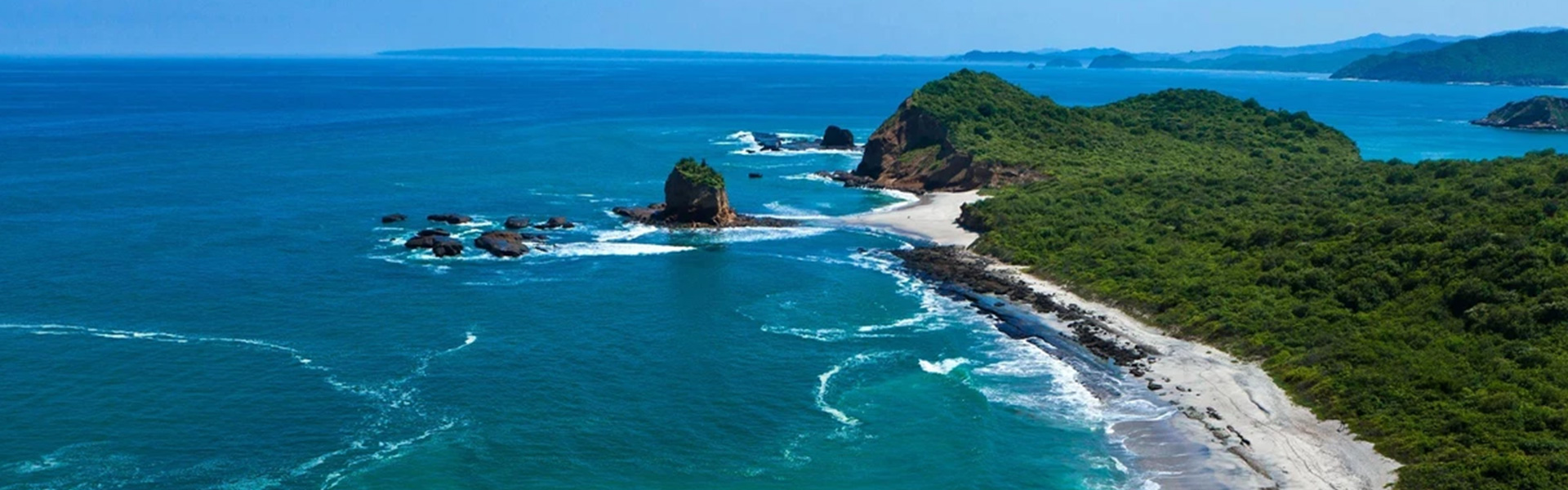
On Ecuador’s Pacific coast, where dry forest meets the ocean...
With curiosity, we listen and are inspired to design a match between the right people, places and experiences creating the optimal circumstances to transform travelers into heroes through sustainable travel and magical unforgettable memories.
Our Address
- C.C Home Design Cumbayá, Avenida Oswaldo Guayasamin
- (+593) 2 605 1505
- info@artexperiences.travel
- Mon-Fri: 09:00 to 18:00
Quick Links
Menú
Copyright © 2021 ArtExperiences
TRÁMITE LUAE: 2024RENWEBLUAE24303/ Registro de Turismo N° 1791288882001.001.9008346