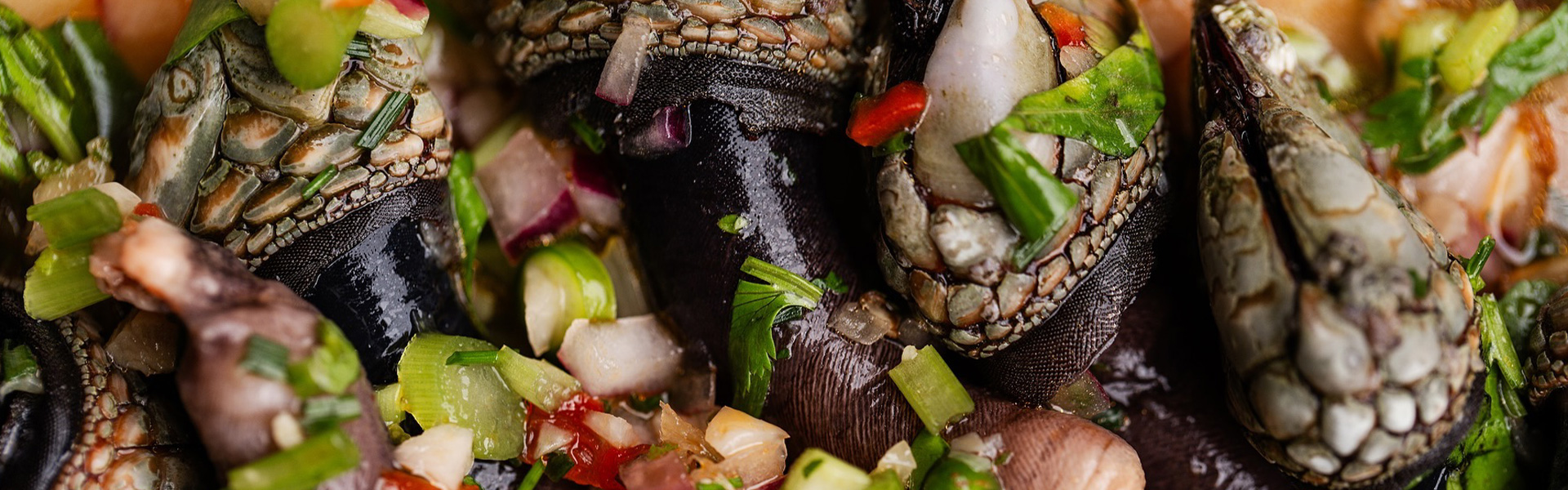
Along the rocky coast of Manabí, where the Pacific crashes...

Stone, Faith, and the Memory of Rebellion
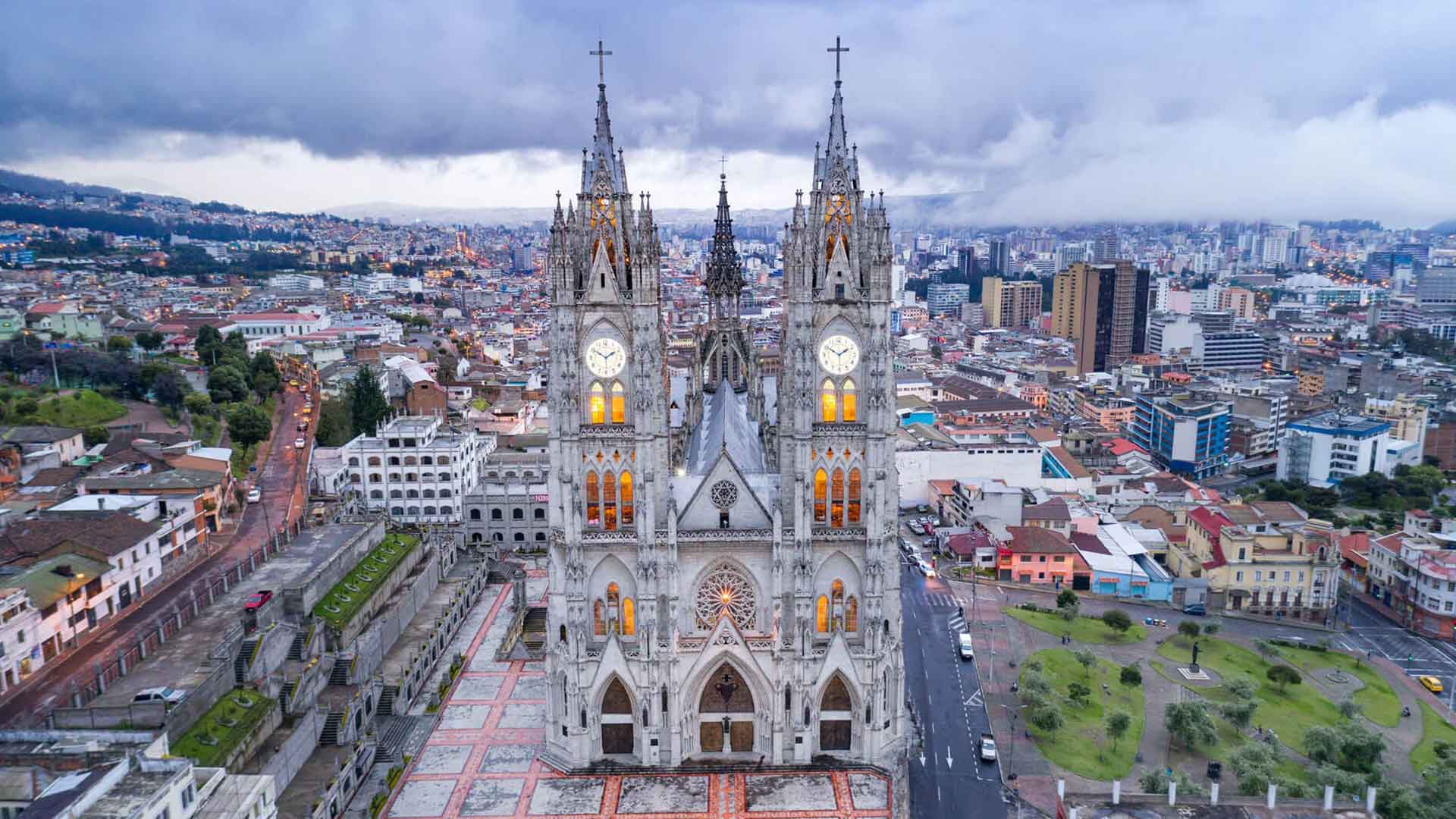
Quito’s Historic Center is often admired for its scale and preservation, yet its true significance lies in what those streets have witnessed and what they continue to protect.
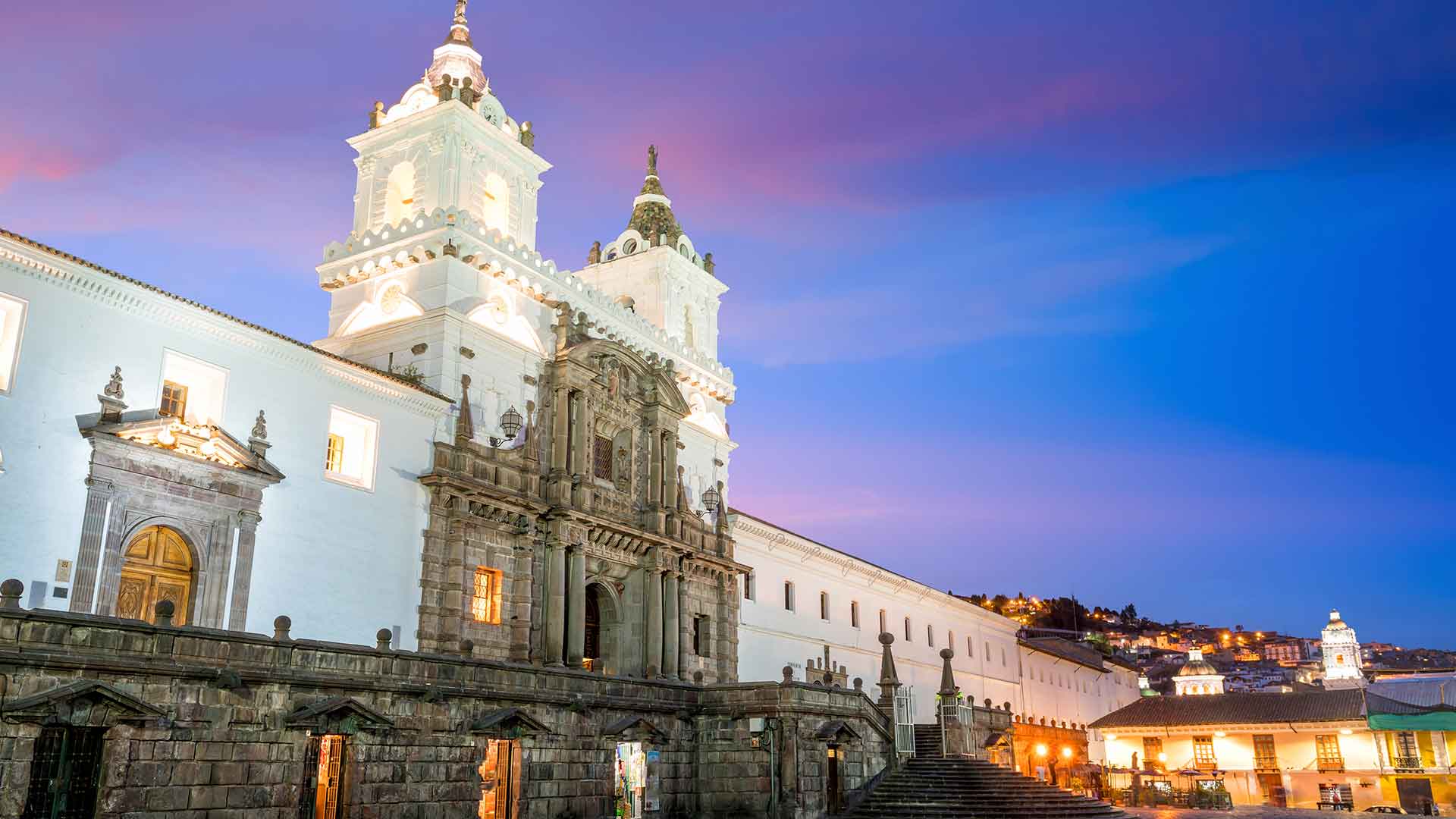
Built upon earlier Indigenous settlements and later reorganized under Spanish colonial planning, the city became both a religious stronghold and a quiet laboratory of resistance. Convents such as San Francisco, Santo Domingo, and La Compañía were more than devotional spaces. They were centers of education, artistic production, and social control. Their thick volcanic-stone walls were constructed to withstand seismic instability, yet they also enclosed intellectual movements that gradually reshaped identity.
Within these cloisters emerged the Quito School of Art in the 17th century. Indigenous and mestizo artists trained in monastic workshops mastered European baroque technique while embedding Andean symbolism into sacred imagery. Saints began to carry local facial features. Biblical landscapes incorporated Andean flora. Angels appeared armed, echoing colonial military presence. This artistic fusion was neither decorative nor accidental; it reflected cultural negotiation under colonial rule. Art became a subtle language of adaptation and persistence.
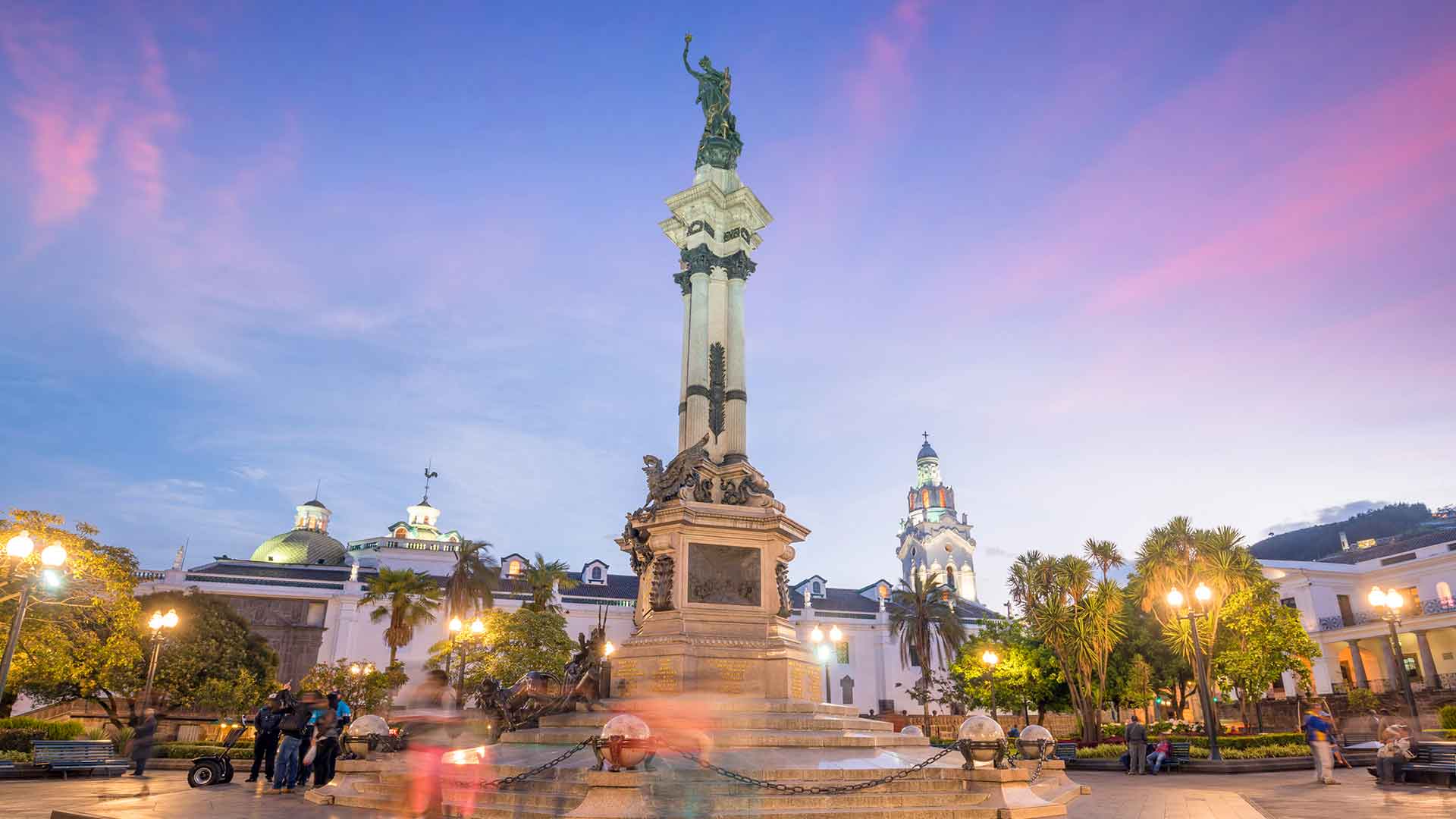
The streets themselves preserve memory. Plaza Grande witnessed political assemblies long before independence was secured on the slopes of Pichincha in 1822. Religious processions continue to pass beneath carved balconies, echoing centuries-old rituals. Semana Santa traditions, particularly the procession of Jesús del Gran Poder, blend penitence, devotion, and communal identity in ways that remain deeply rooted in Quito’s social fabric.
Preservation here extends beyond façades. It safeguards construction techniques using lime mortar and carved cedar, protects oral traditions tied to neighborhood festivals, and sustains family-run workshops that still operate within centuries-old buildings.
Quito’s Historic Center functions as an archive written in stone and ceremony. Its architecture carries faith. Its plazas carry rebellion. Its art carries negotiation, and its people continue to carry forward traditions that have shaped Ecuador’s cultural core for generations.
Walking these streets is an encounter with layered sovereignty: spiritual, artistic, and political.
RECENT POSTS
The Panama Hat
•
14/09/2026
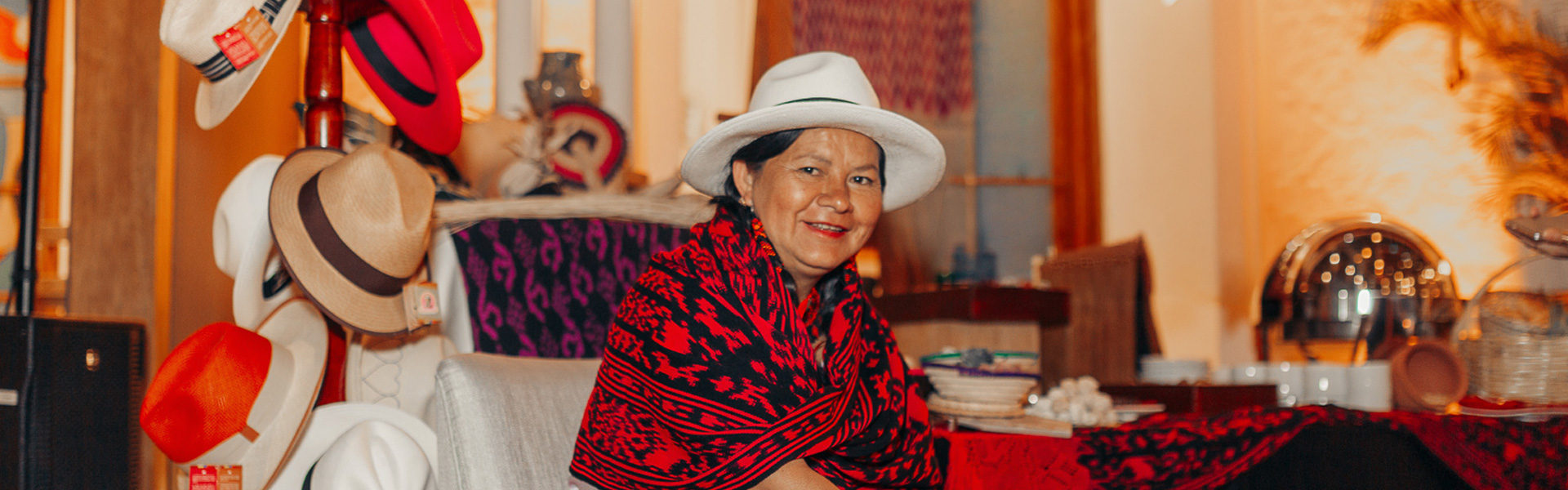
Its name travelled around the world, but its roots remained in Ecuador...
Machalilla National Park
•
11/09/2026
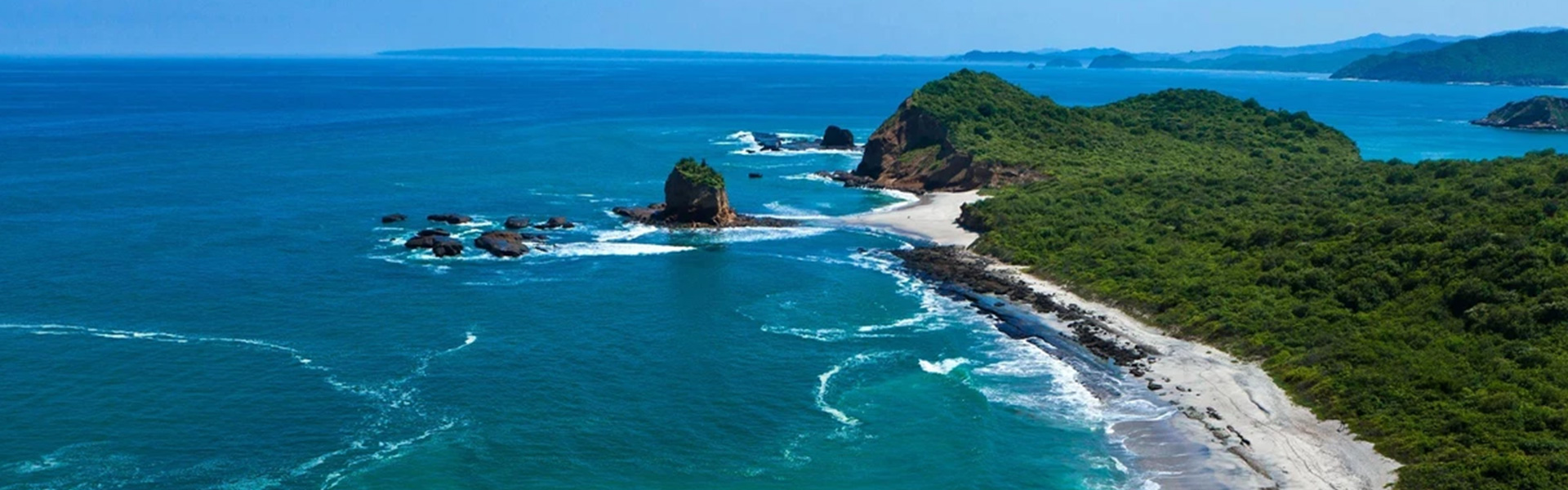
On Ecuador’s Pacific coast, where dry forest meets the ocean...
With curiosity, we listen and are inspired to design a match between the right people, places and experiences creating the optimal circumstances to transform travelers into heroes through sustainable travel and magical unforgettable memories.
Our Address
- C.C Home Design Cumbayá, Avenida Oswaldo Guayasamin
- (+593) 2 605 1505
- info@artexperiences.travel
- Mon-Fri: 09:00 to 18:00
Quick Links
Menú
Copyright © 2021 ArtExperiences
TRÁMITE LUAE: 2024RENWEBLUAE24303/ Registro de Turismo N° 1791288882001.001.9008346