
Along the rocky coast of Manabí, where the Pacific crashes...

Wildlife adapts
From the Amazon Basin to the Cloud Forest
Ecuador’s eastern slope offers one of the most concentrated biodiversity transitions on the planet. In the Amazon lowlands, life expands in every direction. Trees tower above layered canopies. Rivers define movement. Sound carries constantly, birds, insects, amphibians, distant primates moving through foliage.
As the road climbs toward the Andes, ecological shifts become visible within short distances. Temperature drops gradually. Forest structure changes. Certain tree species give way to others adapted to cooler conditions. The air begins to hold mist.
The Cloud Forest forms where moisture rising from the Amazon meets the Andean slopes and condenses into near-constant humidity. This suspended moisture supports extraordinary plant life. Orchids attach to branches without soil. Ferns unfold in filtered light. Many species here exist within narrow altitude bands, which means a change of a few hundred meters can introduce entirely different communities of birds and plants.
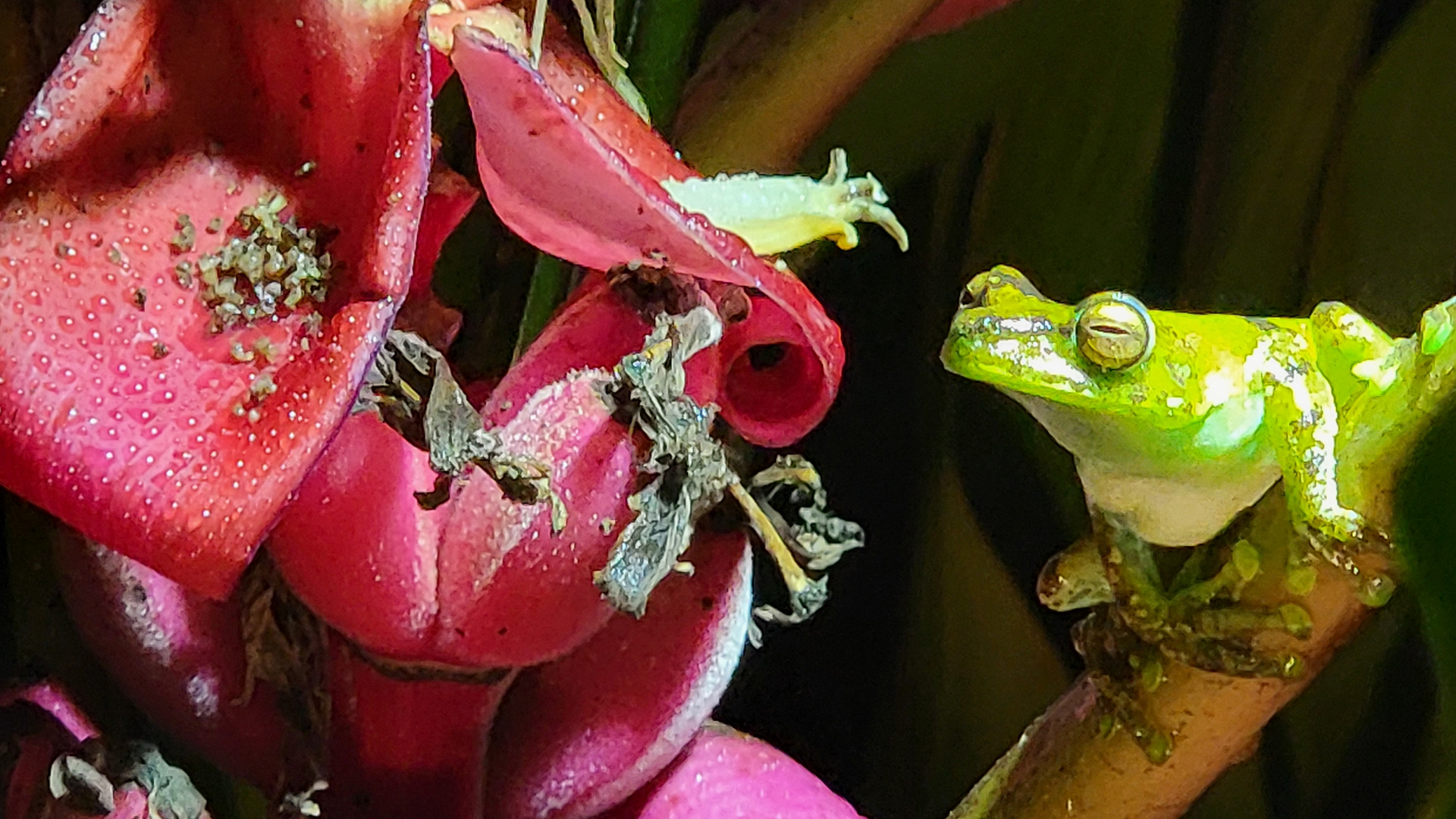
Wildlife adapts accordingly. Spectacled bears roam these forests. Hummingbird diversity increases dramatically. Amphibians thrive in the moisture-rich environment. Each elevation level holds its own rhythm of life.
What makes this corridor remarkable is proximity. Within a few hours, travelers move from one of the world’s richest rainforests to high-altitude forests shaped by cloud and mountain wind. The journey becomes an unfolding lesson in adaptation, climate influence, and ecological interconnection.
From basin to peaks, biodiversity reveals itself as a living continuum, shaped by water, altitude, and time.
RECENT POSTS
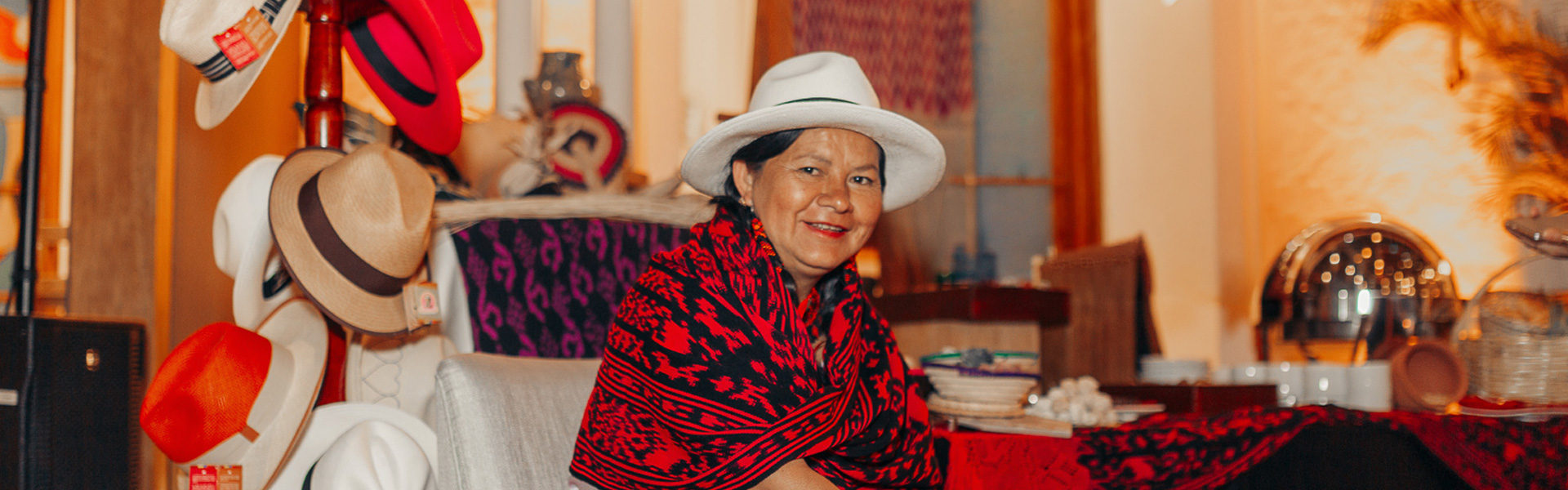
The Panama Hat
•
14/09/2026
Its name travelled around the world, but its roots remained in Ecuador...
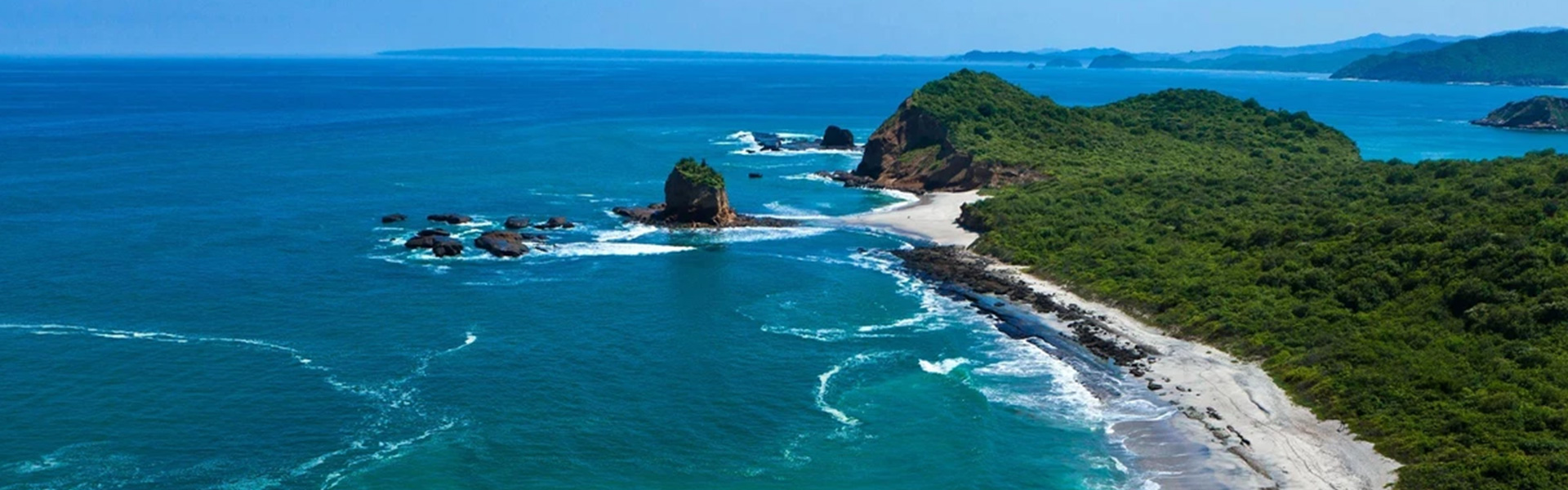
Machalilla National Park
•
11/09/2026
On Ecuador’s Pacific coast, where dry forest meets the ocean...
With curiosity, we listen and are inspired to design a match between the right people, places and experiences creating the optimal circumstances to transform travelers into heroes through sustainable travel and magical unforgettable memories.
Our Address
- C.C Home Design Cumbayá, Avenida Oswaldo Guayasamin
- (+593) 2 605 1505
- info@artexperiences.travel
- Mon-Fri: 09:00 to 18:00
Quick Links
Menú
Copyright © 2021 ArtExperiences
TRÁMITE LUAE: 2024RENWEBLUAE24303/ Registro de Turismo N° 1791288882001.001.9008346