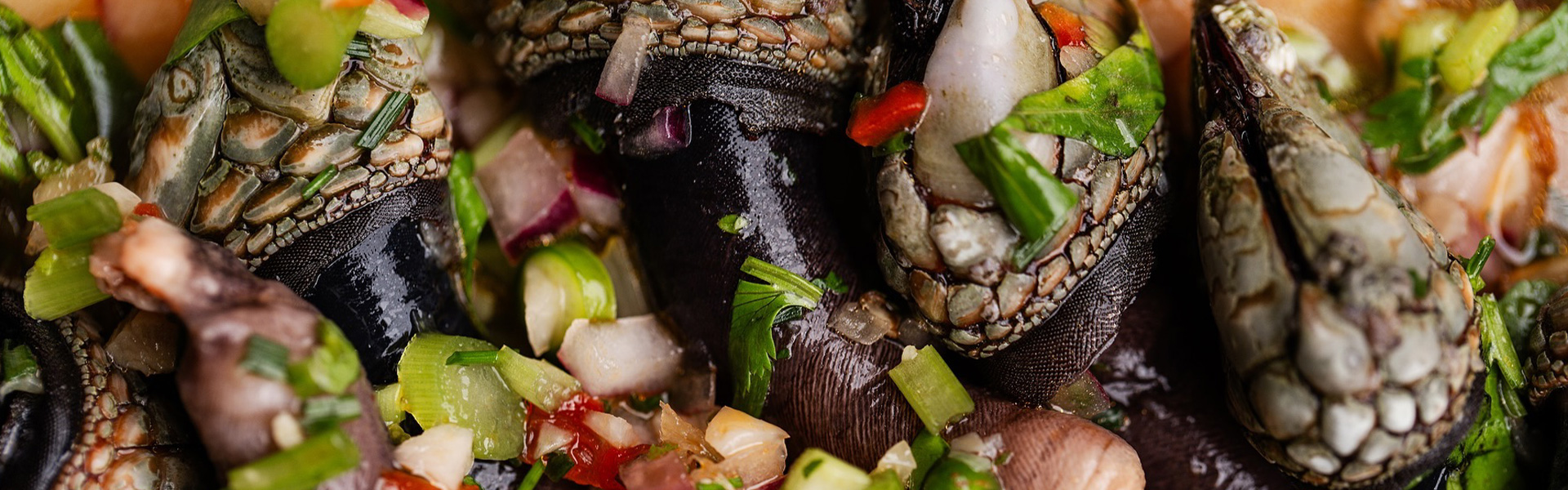
Along the rocky coast of Manabí, where the Pacific crashes...

Restoration in the Galápagos: Beyond Planting trees
In the Galápagos, restoration is not a symbolic gesture, it is a scientific and ethical responsibility. These islands, shaped by millions of years of evolution, function through delicate ecological relationships that cannot be simplified without consequence.
To restore Galápagos is first to understand a fundamental distinction: introduced is not the same as native, nor endemic, and introduced often becomes invasive. Species such as guava and blackberry, brought decades ago, have aggressively displaced endemic vegetation, altering soil composition, water cycles, and habitat availability for native fauna. Their removal, however, must be carried out with precision. Eradication without ecological understanding can generate further imbalance. In fragile systems like these, every intervention must be measured, strategic, and guided by knowledge.
True restoration is not merely about removing what does not belong, nor is it simply about planting trees. It is about understanding how the ecosystem functions as a whole.
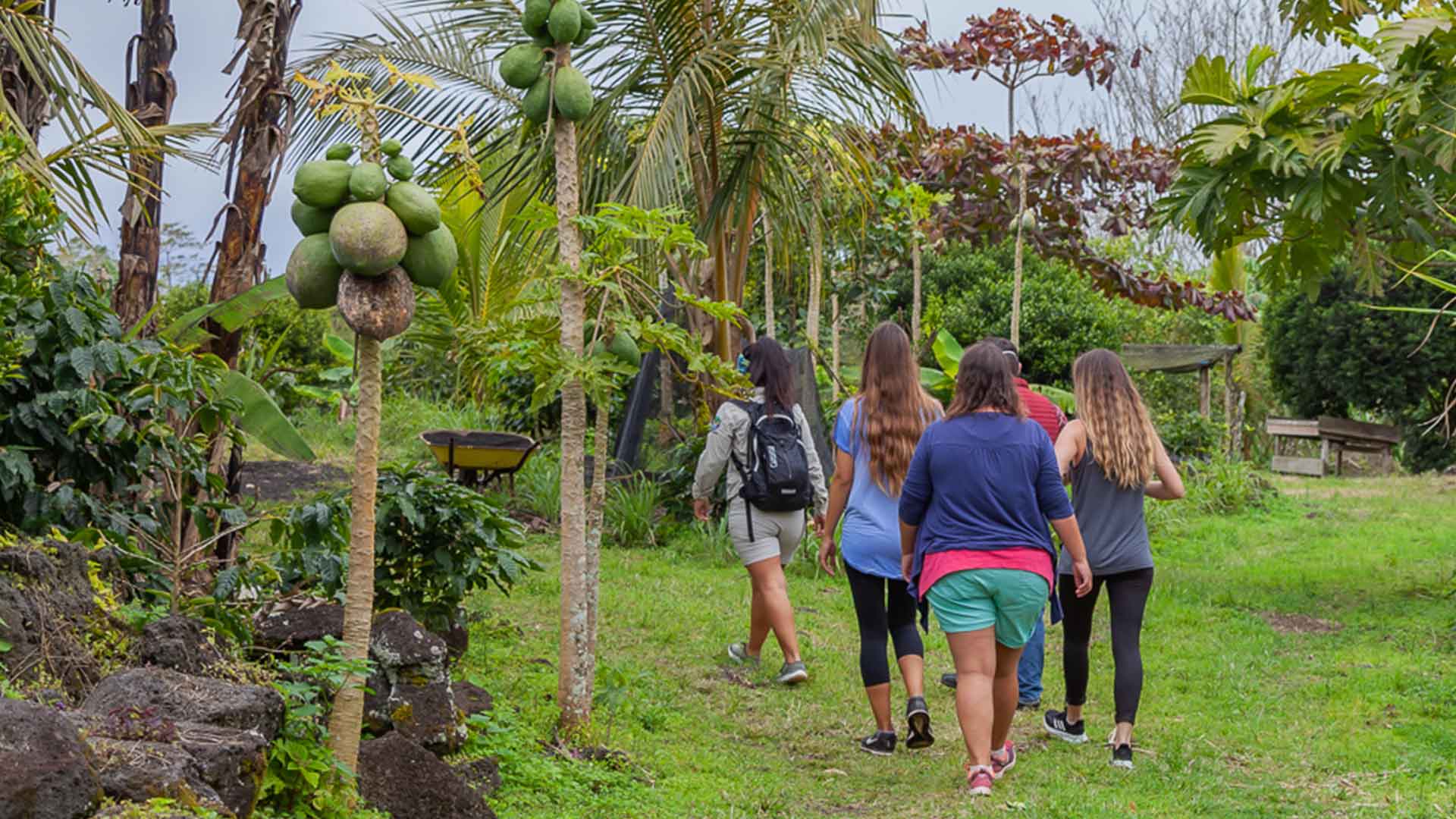
On Santa Cruz Island, within our restoration project, we work with native and endemic species such as Scalesia, Matazarno and Guayabillo, among others, not because they are emblematic, but because they play essential ecological roles. Scalesia forests, often called the “Darwin’s finch forests,” create microclimates that sustain biodiversity, Matazarno contributes to soil stabilization and habitat complexity, each species has a function. Each layer of vegetation supports another form of life.
Restoration cannot be replaced by monoculture, even if the species planted is endemic. An ecosystem is not a plantation. Biodiversity, structure, and interaction are what create resilience.
Without diversity, there is no balance; without balance, there is no future. Our approach in Santa Cruz is rooted in long-term ecological understanding. We restore by observing succession patterns, respecting natural regeneration cycles, and reintroducing species in ways that allow the system to rebuild itself, not according to aesthetic preference, but according to ecological logic.
For travelers, engaging with this process offers something far deeper than participation, it offers perspective. It reveals that conservation in the Galápagos is not about preserving a postcard image, but about maintaining dynamic systems that sustain life.
Visiting the Galapagos islands carries responsibility. Supporting restoration initiatives means understanding that sustainability is not a trend, but a commitment to complexity, to the patient work of rebuilding equilibrium where it has been disrupted.
In Galápagos, restoration is not about returning to an imagined past.
It is about safeguarding ecological integrity for the generations that will follow, human and non-human alike.
Because in the Galápagos, protecting what the world cannot replace requires knowledge, humility, and intention
RECENT POSTS

The Panama Hat
•
14/09/2026
Its name travelled around the world, but its roots remained in Ecuador...
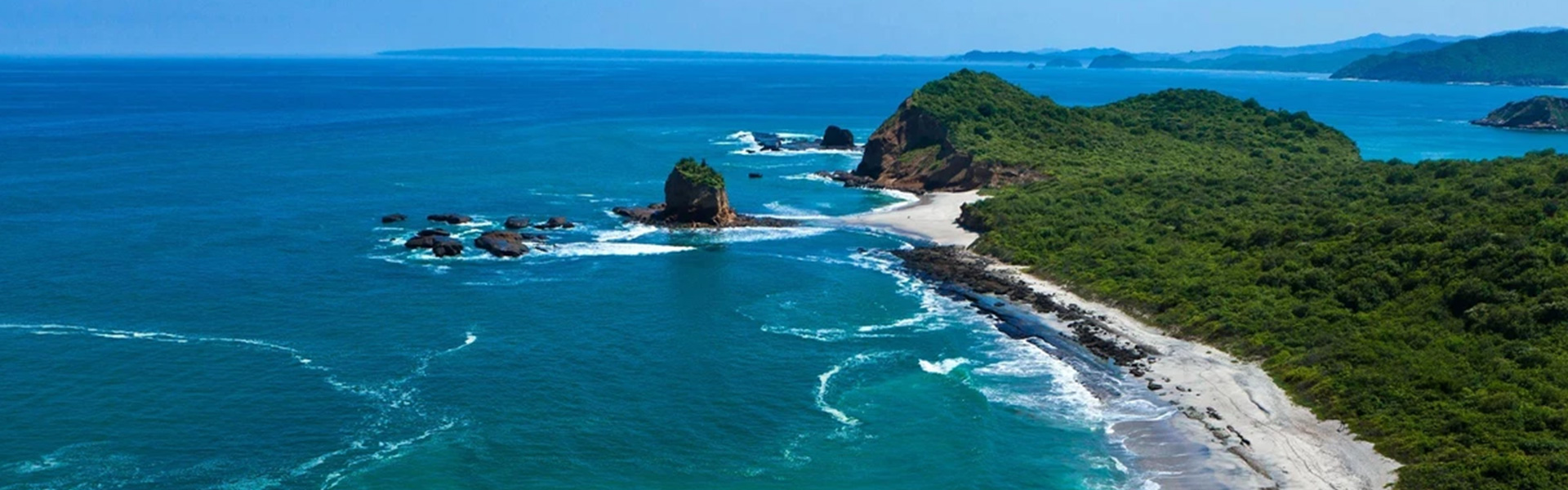
Machalilla National Park
•
11/09/2026
On Ecuador’s Pacific coast, where dry forest meets the ocean...
With curiosity, we listen and are inspired to design a match between the right people, places and experiences creating the optimal circumstances to transform travelers into heroes through sustainable travel and magical unforgettable memories.
Our Address
- C.C Home Design Cumbayá, Avenida Oswaldo Guayasamin
- (+593) 2 605 1505
- info@artexperiences.travel
- Mon-Fri: 09:00 to 18:00
Quick Links
Menú
Copyright © 2021 ArtExperiences
TRÁMITE LUAE: 2024RENWEBLUAE24303/ Registro de Turismo N° 1791288882001.001.9008346